

Time
December 15, 2026
Eastern Time, USA (UTC-5) 8:00 pm - 10:00 pm
December 16, 2026
Beijing, China (UTC+8) 9:00 am - 11:00 am
Brisbane, Australia (UTC+10) 12:00 noon - 2:00 pm
Eastern Time, USA (UTC-5) 8:00 pm - 10:00 pm
December 16, 2026
Beijing, China (UTC+8) 9:00 am - 11:00 am
Brisbane, Australia (UTC+10) 12:00 noon - 2:00 pm
Join the Webinar
Zoom link:
https://us06web.zoom.us/j/85377450611?pwd=Wa7yRmMg3pGEQxl26l8shGfewN7gg5.1
Zoom ID: 85377450611
Password: please contact the editorial office
Call for papers!
All high-quality papers submitted to this webinar will enjoy the best discount from the article processing fee.
Contact: [email protected]
Online Submission: https://www.oaecenter.com/login?JournalId=par
Host
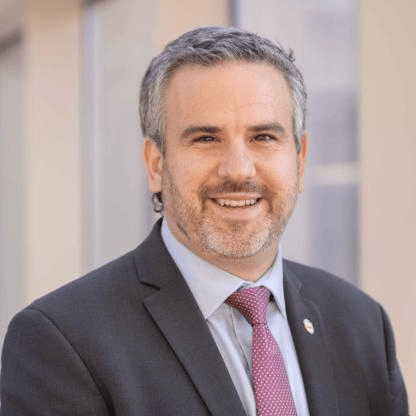
Prof. Matthew E Spector
Department of Otolaryngology–Head and Neck Surgery, Michigan Medicine, Ann Arbor, MI, USA.
Matthew E Spector, MD, FACS completed his medical school training at Stritch School of Medicine, Loyola University in Chicago. He then went on to the University of Michigan where he completed his residency in Otolaryngology – Head and Neck Surgery and fellowship in Head and Neck Oncology and Microvascular Reconstruction. He is currently a Professor at the University of Pittsburgh where he serves as the Division Chief and Fellowship Director of Head and Neck Oncology and Microvascular Reconstruction. His research interests relate to both clinical and translational questions in head and neck oncology and head and neck reconstruction, with specific interests in the design, management and completion of genetic and biomarker based trials to assess predictors of recurrence and improve functional outcomes in head and neck cancer patients.
Speaker(s)
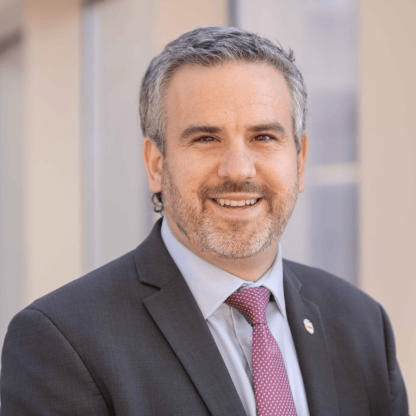
Prof. Matthew E Spector
Department of Otolaryngology–Head and Neck Surgery, Michigan Medicine, Ann Arbor, MI, USA.
Matthew E Spector, MD, FACS completed his medical school training at Stritch School of Medicine, Loyola University in Chicago. He then went on to the University of Michigan where he completed his residency in Otolaryngology – Head and Neck Surgery and fellowship in Head and Neck Oncology and Microvascular Reconstruction. He is currently a Professor at the University of Pittsburgh where he serves as the Division Chief and Fellowship Director of Head and Neck Oncology and Microvascular Reconstruction. His research interests relate to both clinical and translational questions in head and neck oncology and head and neck reconstruction, with specific interests in the design, management and completion of genetic and biomarker based trials to assess predictors of recurrence and improve functional outcomes in head and neck cancer patients.
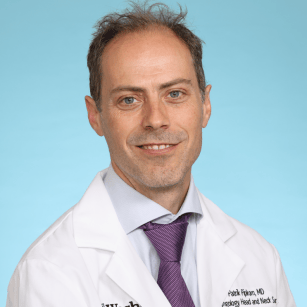
Prof. Patrik J. Pipkorn
Washington University School of Medicine in St. Louis, St. Louis, MO, USA.
Patrik Pipkorn, MD - Dr. Pipkorn is an Associate Professor of Otolaryngology at Washington University School of Medicine. He went to medical school and residency in Sweden. After completion of two years of head and neck fellowships, the first one at University of California-Davis, Sacramento and the second one at Washington University in St Louis, he transitioned to faculty at the department. Main focus in clinical practice is within oncologic head and neck resection and reconstruction with special emphasis on microvascular reconstruction. Dr. Pipkorn's research interests are within clinical outcomes, focusing on minimally invasive technique development and improvements in microvascular reconstruction.
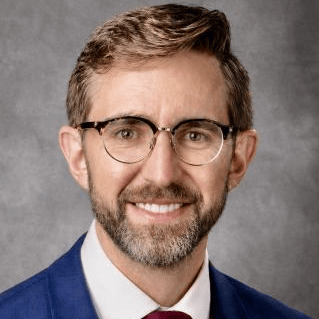
Prof. Kevin J. Contrera
Department of Otolaryngology-Head & Neck Surgery, University of Pittsburgh, Pittsburgh (Pitt), PA, USA.
Kevin J. Contrera, MD, MPH, is a head and neck surgeon-scientist at the University of Pittsburgh, whose research focuses on non-invasive biomarkers and clinical trials. Through the study of liquid biopsy-guided treatment assessment, he is working to personalize cancer care using perioperative response-adaptive therapies. He has published over 100 peer-reviewed scientific articles and has active research grants from the National Cancer Institute, the American College of Surgeons, and the National Center for Advancing Translational Sciences. This work has translated into a multi-institutional phase II trial of drain fluid ctDNA-guided adjuvant therapy for head and neck cancer, for which Dr. Contrera serves as PI. His efforts have garnered over a dozen national awards, including from NRG Oncology, the American Society of Clinical Oncology, and the American Academy of Otolaryngology-Head and Neck Surgery. Dr. Contrera has held national leadership positions in the American Head and Neck Society, American Academy of Otolaryngology-Head and Neck Surgery, and the American Medical Association. He received his medical degree and master's in public health from Johns Hopkins University School of Medicine. He then completed his residency at Cleveland Clinic, followed by fellowships in advanced head and neck surgical oncology and microvascular reconstructive surgery at MD Anderson Cancer Center.
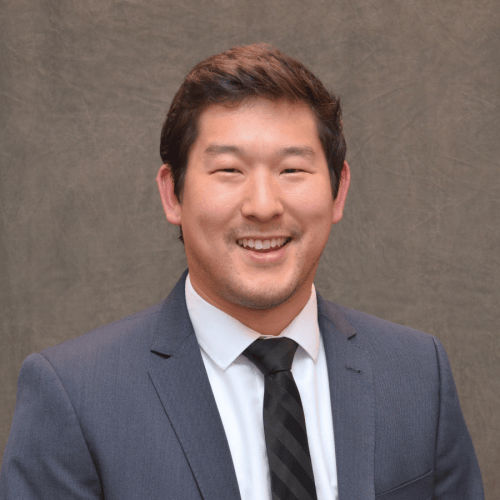
Prof. Allen L. Feng
Department of Otolaryngology-Head & Neck Surgery, Harvard Medical School, Boston, MA, United States.
Dr. Allen L. Feng is a fellowship-trained, head and neck surgeon who specializes in head and neck cancer and microvascular reconstruction. Dr. Feng completed his residency training at the Massachusetts Eye and Ear (Harvard Combined Otolaryngology Residency Program) and his head and neck oncology and microvascular reconstruction fellowship at the University of Michigan. His clinical interests include complex reconstructions after head and neck surgery and the development of biomedical devices for use in otolaryngology.
Dr. Feng has a passion for innovation in head and neck surgery. He uses his background in mechanical and biomedical engineering to create solutions for both oncologic and reconstructive problems in otolaryngology. His work has already led to over 50 peer-reviewed publications and several patent applications for his novel designs.
Dr. Feng's clinical interests include head and neck cancer, robotic surgery, skull base surgery and microvascular reconstruction of the head and neck. He devotes a significant portion of his time to creating and refining novel surgical techniques for complex reconstructions, including innovative techniques for complex microvascular free tissue transfers.