Volume

Volume 4, Issue 3 (2025) – 5 articles

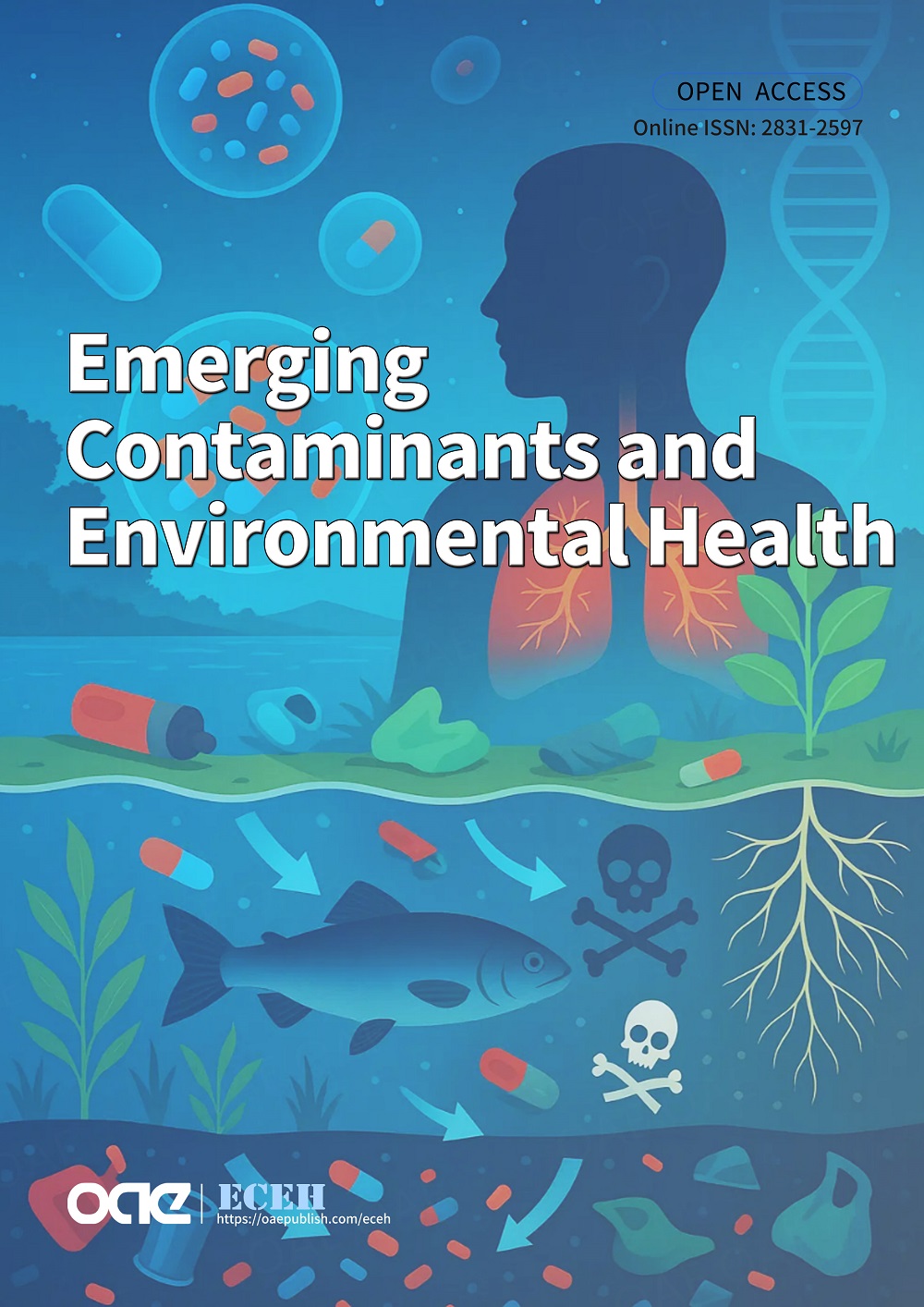
Cover Picture: Microplastic (MP) pollution, especially from polystyrene (PS), presents a serious threat to aquatic ecosystems due to its persistence and resistance to biodegradation. In the present study, a bacterium identified as Bacillus cereus was isolated from the polluted Mula River in Pune, and its potential to degrade PS MPs was evaluated under controlled laboratory conditions. Morphological analysis confirmed it as a Gram-positive, rod-shaped, motile organism. The strain exhibited distinctive colony characteristics, including rough texture, opaque appearance and irregular margins. Biochemical profiling revealed positive results for methyl red, Voges-Proskauer, citrate utilization, and catalase tests, indicating metabolic versatility and oxidative tolerance. Molecular identification was conducted using 16S rRNA gene sequencing. The amplified 16S rRNA sequence (~1,392 bp) was analyzed using BLASTN against the NCBI database, showing 100% sequence similarity with known Bacillus cereus strains (e.g., Bacillus cereus strain BM1, KU871054.1; Bacillus cereus strain 4-813, MW052587.1), thereby confirming its taxonomic identity. Phylogenetic analysis using MEGA software further supported its placement within the Bacillus cereus clade. Bacillus cereus grew effectively in minimal salt medium (MSM) with PS as the sole carbon source, achieving an optical density (OD) of 0.80 at 600 nm over 30 days. Biodegradation efficiency, assessed by dry weight loss of PS, showed a 20% reduction. The calculated degradation rate constant was 0.00758 g/day, corresponding to a half-life of 91.48 days. Fourier transform infrared (FTIR) spectroscopy revealed notable chemical modifications, including the appearance of hydroxyl and carbonyl functional groups and diminished aromatic C–H stretching, suggesting oxidative cleavage of the polymer backbone. Scanning electron microscopy (SEM) provided visual evidence of biofilm-mediated degradation, revealing dense extracellular polymeric substance (EPS) layers, bacterial embedment, and pronounced surface erosion. Even after biofilm removal, the PS surface retained pits and fissures, indicating irreversible microbial degradation. This integrated analysis highlights the potential of indigenous Bacillus cereus for the bioremediation of PS MPs through biofilm formation and enzymatic activity. The findings contribute to the growing field of MP biodegradation and support further exploration of microbial approaches for sustainable plastic waste management.
view this paper

Editorial

Review

Perspective

Research Article

Actions for 0 selected articles

Emerging Contaminants and Environmental Health
ISSN 3070-3549 (Online)

Portico

All published articles are preserved here permanently:

https://www.portico.org/publishers/oae/

Portico

All published articles are preserved here permanently:

https://www.portico.org/publishers/oae/