
2025 Annual Report of Emerging Contaminants and Environmental Health
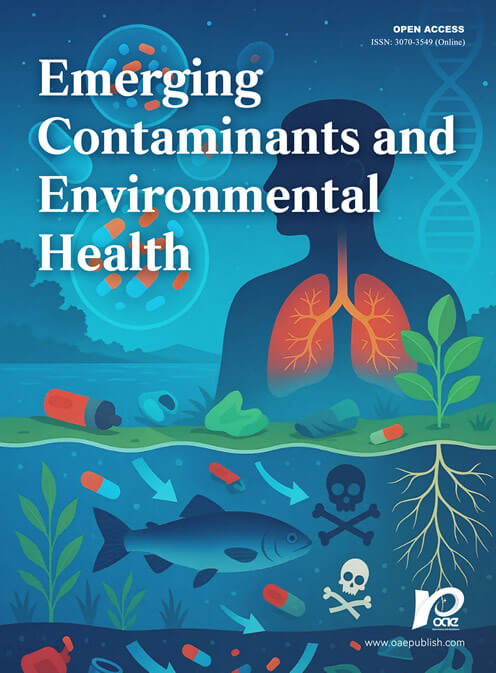
The year 2025 marked a period of steady and meaningful growth for Emerging Contaminants and Environmental Health (ECEH; ISSN 3070-3549), an international, peer-reviewed, open access journal. To better reflect its scientific scope and long-term vision, the journal officially changed its title in 2025 from Water Emerging Contaminants & Nanoplastics (WEC&N; ISSN 2831-2597) to Emerging Contaminants and Environmental Health. Following this transition, the journal successfully obtained a new ISSN and published its first group of articles under the new title. This annual report summarizes ECEH's performance, key metrics, and major activities in 2025.
Message from Editors-in-Chief
The past year has been a period of dynamic growth and maturation for Emerging Contaminants and Environmental Health (ECEH), reflecting the journal's commitment to advancing high-quality, open access research in the field.
In 2025, ECEH strengthened its role as an interdisciplinary platform for publications bridging environmental contaminants and human health. This commitment to interdisciplinary research, together with the need to more accurately reflect the evolving scope of submitted work, prompted the transition from Water Emerging Contaminants & Nanoplastics (WEC&N) to its current title.
The progress achieved this year would not have been possible without the dedication of our authors, who entrusted us with their work; our reviewers, who upheld rigorous scientific standards; and our Editorial Board Members, whose expertise continues to guide the journal's strategic direction. Through these shared efforts, ECEH has demonstrated steady growth, with the CiteScoreTracker reaching 8.2.
ECEH has also expanded its global reach, attracting submissions and readership from an increasingly diverse international scientific community. This growing visibility reflects both the trust placed in the journal and its relevance to the field, as ECEH remains committed to publishing high-quality research that advances understanding of emerging contaminants and their environmental and health implications. A rigorous editorial and peer-review process remains central to maintaining scientific excellence, while the editorial team continues to strive for a positive, transparent, and efficient experience for authors throughout the submission and review process.
As we enter 2026, we aim to further strengthen the journal's impact by attracting a greater number of high-quality submissions through expanded dissemination efforts and targeted invitations. Improving time to publication while maintaining timely and rigorous peer review will further enhance the author experience and help build recurring authorship in ECEH. We also remain focused on achieving indexing in the Web of Science and establishing a strong Impact Factor, which will further enhance the journal's visibility, credibility, and author confidence.
Achieving these ambitions will rely on the continued support and leadership of our Editorial Board Members, whose commitment remains essential to shaping the journal's future. We warmly invite your ongoing collaboration as ECEH enters its next phase of development.
We remain deeply grateful for your continued dedication to ECEH.
Best wishes for 2026.
Dr. Joana C Prata
On behalf of the Editors-in-Chief
1. Submissions and Publications
In 2025, ECEH published four issues. Although the total number of submissions decreased compared with the previous year, the number of published articles remained largely stable, reflecting an overall improvement in manuscript quality. The journal continued to focus on emerging and critical topics in environmental science, including environmental pollution and health, water pollutants and treatment technologies, and microplastic pollution and remediation. Representative articles published in 2025 are highlighted below. (These articles were published under the journal's former title prior to the official name change.)
Article 1: Quantification of microplastics in biowastes including biosolids, compost, and vermicompost destined for land application
Authors: Helena Ruffell, Olga Pantos, Brett Robinson, Sally Gaw
How to cite: Ruffell, H.; Pantos, O.; Robinson, B.; Gaw, S. Quantification of microplastics in biowastes including biosolids, compost, and vermicompost destined for land application. Water Emerg. Contam. Nanoplastics 2025, 4, 1. http://dx.doi.org/10.20517/wecn.2024.65
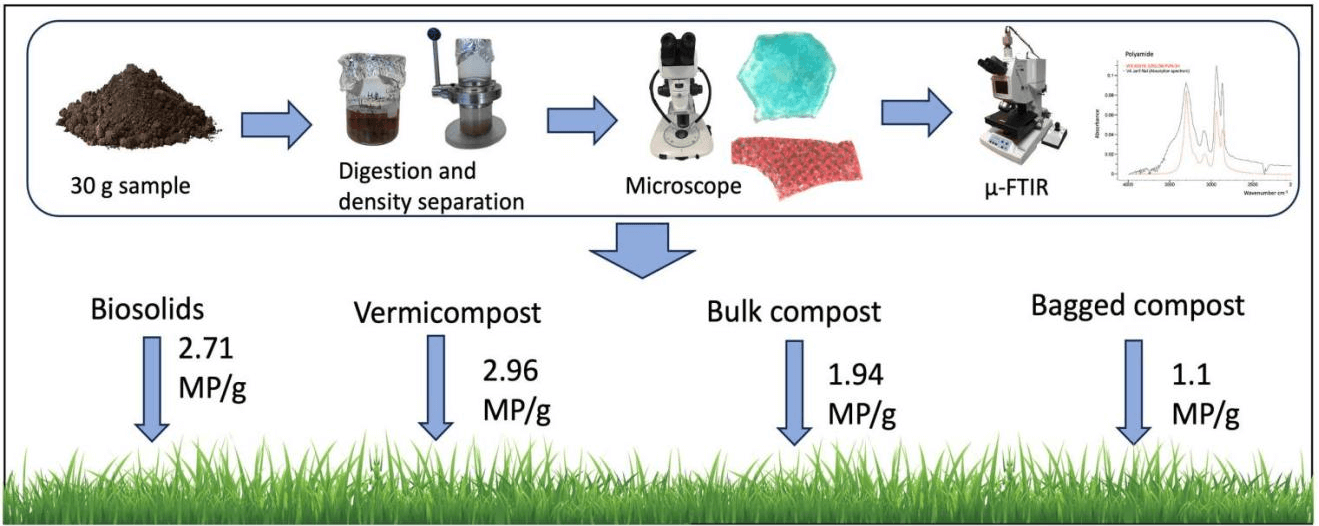
Figure 1. Graphical Abstract of Article 1
Article 2: Determination of microplastics in municipal wastewater treatment plant effluents and sludge using micro-Raman spectroscopy
Authors: Kleopatra Miserli, Ioannis Konstantinou
How to cite: Miserli, K.; Konstantinou, I. Determination of microplastics in municipal wastewater treatment plant effluents and sludge using micro-Raman spectroscopy. Water Emerg. Contam. Nanoplastics 2025, 4, 4. http://dx.doi.org/10.20517/wecn.2024.72
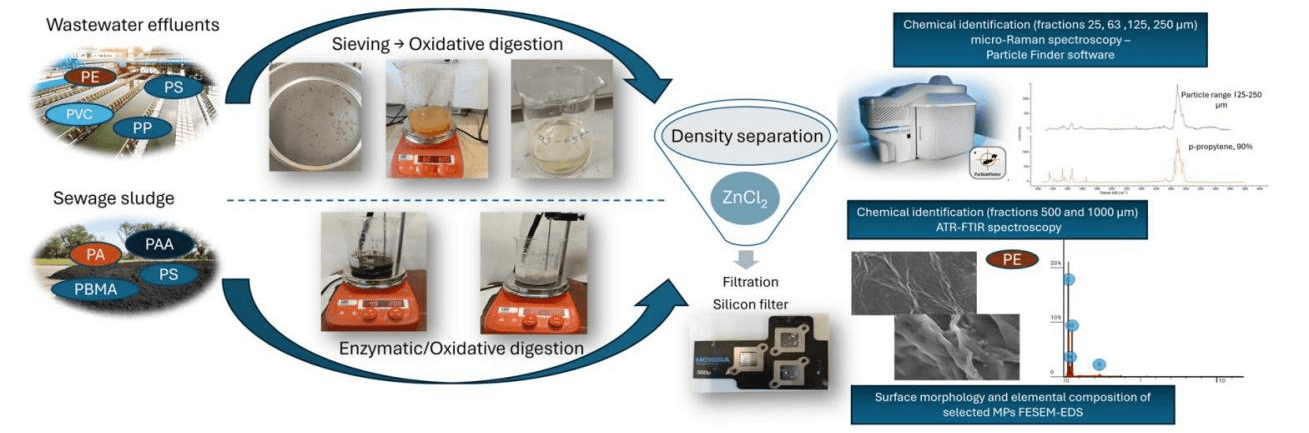
Figure 2. Graphical Abstract of Article 2
Article 3: The impact of dumping sites on air, soil and water pollution in selected Southern African countries: challenges and recommendations
Authors: Joel B. Njewa, Grace Mweta, Jimmy Sumani, Timothy Tiwonge Biswick
How to cite: Njewa, J. B.; Mweta, G.; Sumani, J.; Biswick, T. T. The impact of dumping sites on air, soil and water pollution in selected Southern African countries: challenges and recommendations. Water Emerg. Contam. Nanoplastics 2025, 4, 3. http://dx.doi.org/10.20517/wecn.2024.71
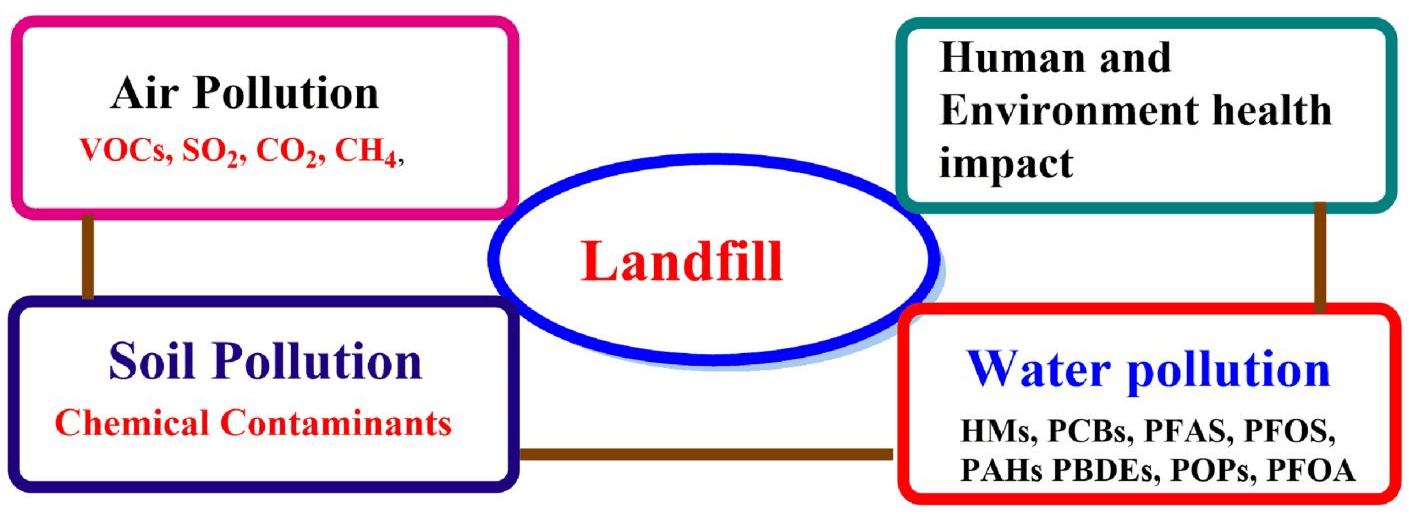
Figure 3. Graphical Abstract of Article 3
2. Views and Downloads
ECEH demonstrated steady growth in readership and engagement in 2025, as reflected in article views, PDF downloads, and geographic distribution of readers.
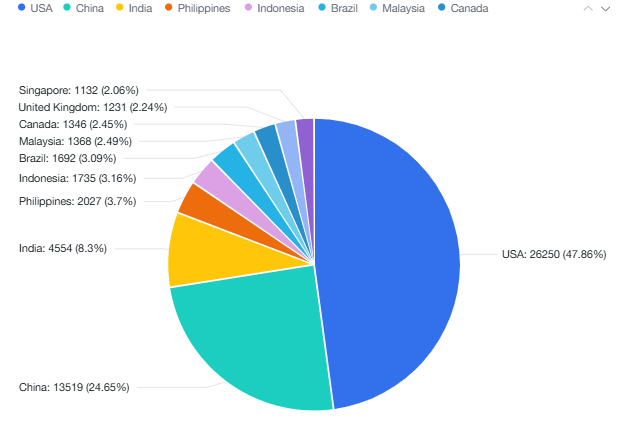
Figure 4. Article Views in 2025
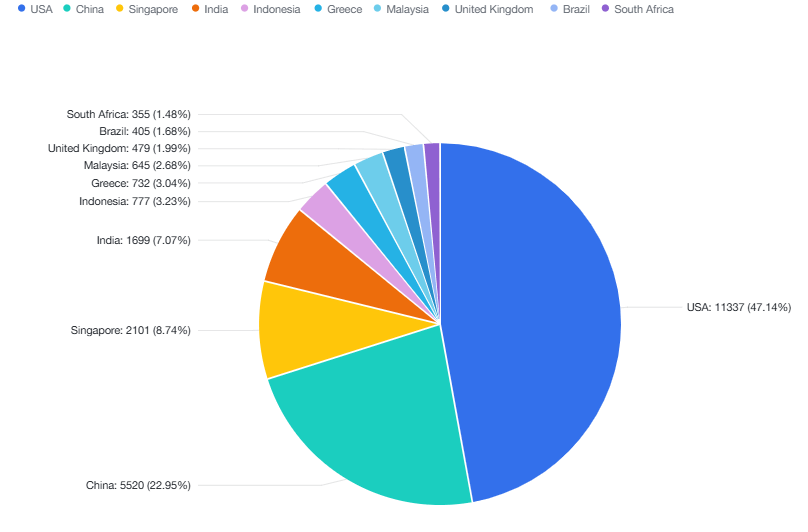
Figure 5. PDF Downloads by Country/Region
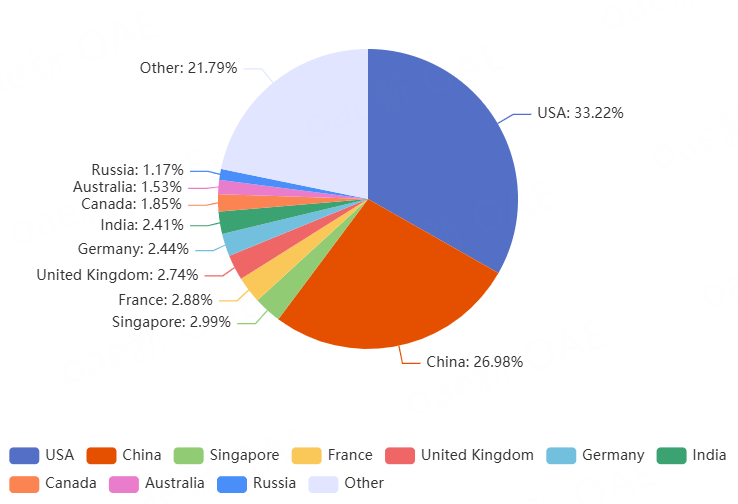
Figure 6. Geographical Distribution of Readership
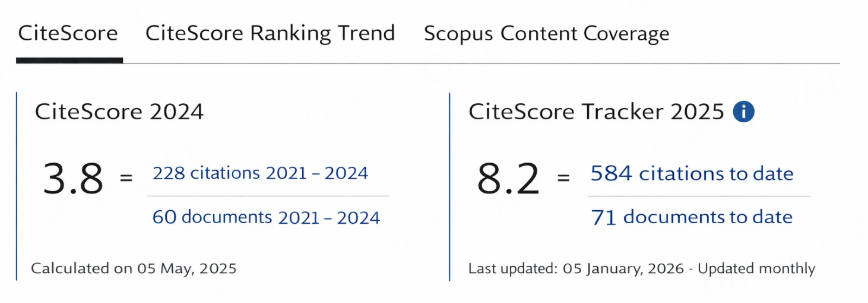
Figure 7. CiteScoreTracker (2024-2025)
ECEH is currently indexed in Scopus, Chemical Abstracts Service (CAS), and The Lens. The journal's CiteScore for 2024 was 3.8, while the CiteScoreTracker for 2025 reached 8.2, indicating positive citation momentum as the journal continues to establish its presence in the field.
3. Peer Review and Editorial Efficiency
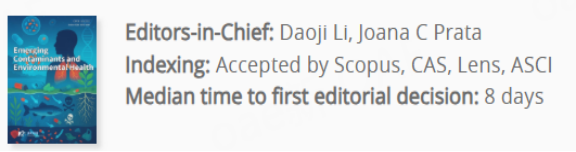
Figure 8. Review Time of ECEH
In 2025, the editorial workflow of ECEH was further optimized. The average time to first decision was reduced to approximately 8 days, reflecting efficient manuscript screening, reviewer coordination, and editorial decision making. This improvement demonstrates the editorial team's commitment to timely communication while maintaining rigorous academic standards.
4. Editorial Board Updates
In 2025, ECEH further strengthened its Editorial Board. Five Associate Editors and one Editorial Board Member were appointed, along with ten new Youth Editorial Board Members. As of the end of 2025, the Editorial Board comprised 102 members, including two Editors-in-Chief, 15 Associate Editors, three Regional Editors, and 82 Editorial Board Members.
The Editorial Board represents 18 countries and regions, reflecting the journal's commitment to international participation and balanced global development.
| Associate Editors | |
|---|---|
| Name | Institution |
| Prof. Fayuan Wang | Qingdao University of Science and Technology, Qingdao, China |
| Prof. Weitao Liu | Nankai University, Tianjin, China |
| Prof. Yasin Orooji | Zhejiang Normal University, Jinhua, China |
| Prof. Ehsan Ghasali | Shandong Vocational and Technical University of Foreign Affairs, Weihai, China |
| Prof. Xingming Wang | Guangzhou Institute of Geochemistry, Chinese Academy of Sciences, Guangzhou, China |
| Editorial Board Member | |
|---|---|
| Name | Institution |
| Prof. Changgui Pan | Guangxi University, Nanning, China |
| Youth Editors | |
|---|---|
| Name | Institution |
| Dr. Yufeng Gong | Ocean University of China, Qingdao, China |
| Dr. Qingyu Liu | Nanjing Normal University, Nanjing, China |
| Dr. Tongtao Yue | Ocean University of China, Qingdao, China |
| Dr. Pengfei Cui | Ocean University of China, Qingdao, China |
| Dr. Yuancai Lv | Fuzhou University, Fuzhou, China |
| Dr. Xujun Liang | Northwest A&F University, Yangling, China |
| Dr. Sadegh Pour-Ali | Department of Chemical & Materials Engineering, University of Alberta, Edmonton, Canada |
| Dr. John Chinglenthoiba | Department of Mechanical Engineering, Galgotias University, Greater Noida, India |
| Dr. Wenbin Yao | Hunan University of Humanities, Loudi, China |
Table 1. Newly Appointed Editorial Board Members in 2025
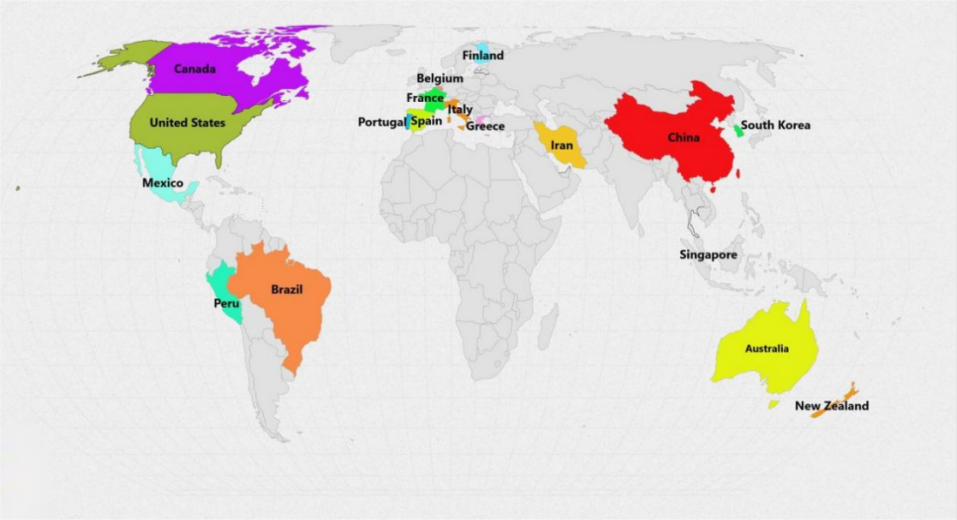
Figure 9. Global Geographic Distribution of Editorial Board Members in 2025
5. Special Issues
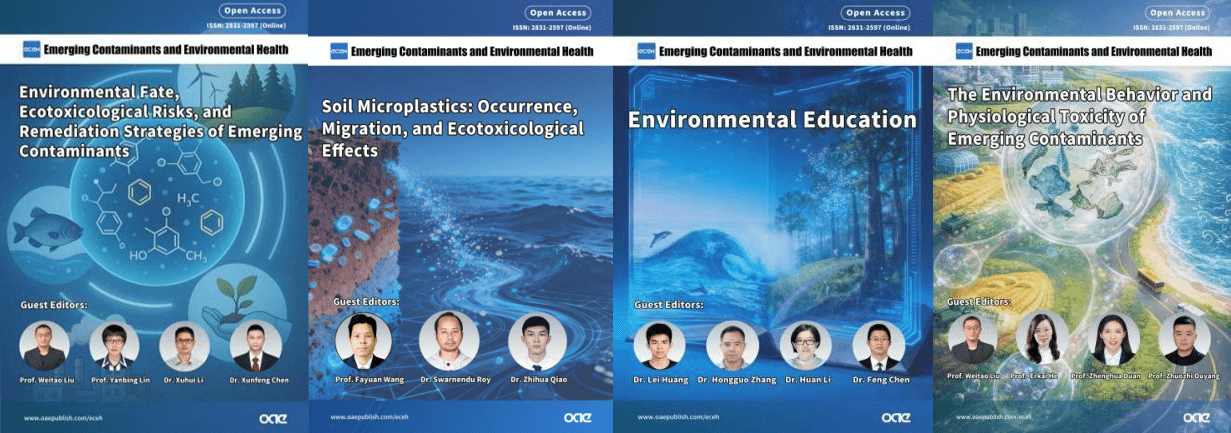
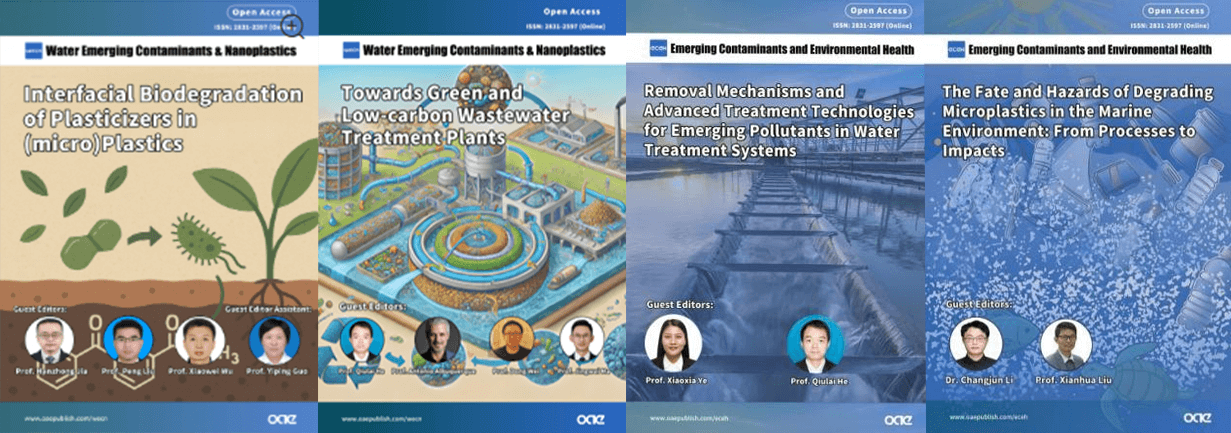
Figure 10. Covers of Special Issues Published in 2025
The Special Issues published in 2025 highlighted the interdisciplinary scope and academic focus of ECEH. Topics included the environmental behavior of emerging contaminants, the sources and fate of microplastics, One Health perspectives, and advanced wastewater treatment technologies. These collections underscore the journal's emphasis on environmental health-related challenges and emerging research directions.
6. Expert Interviews
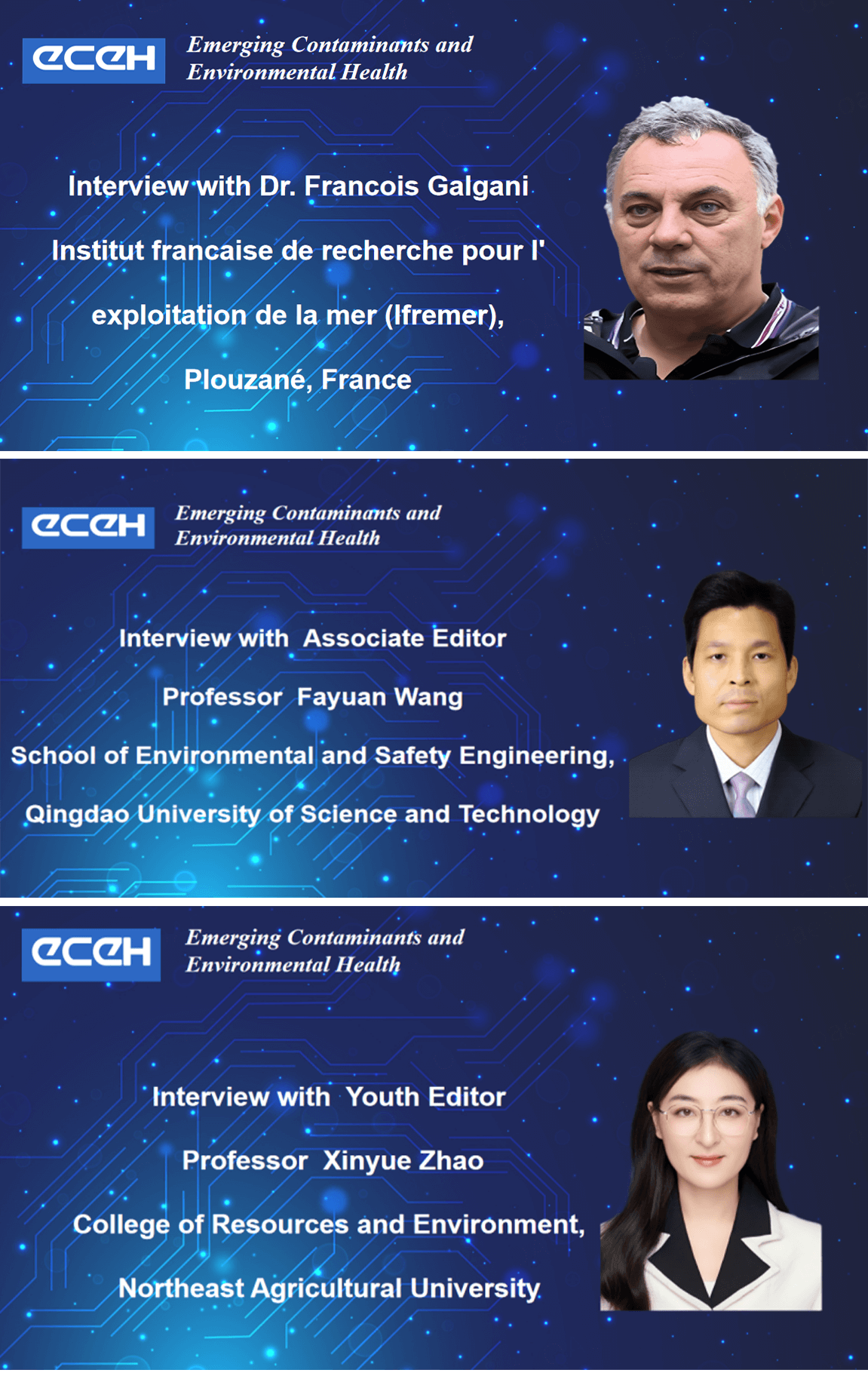
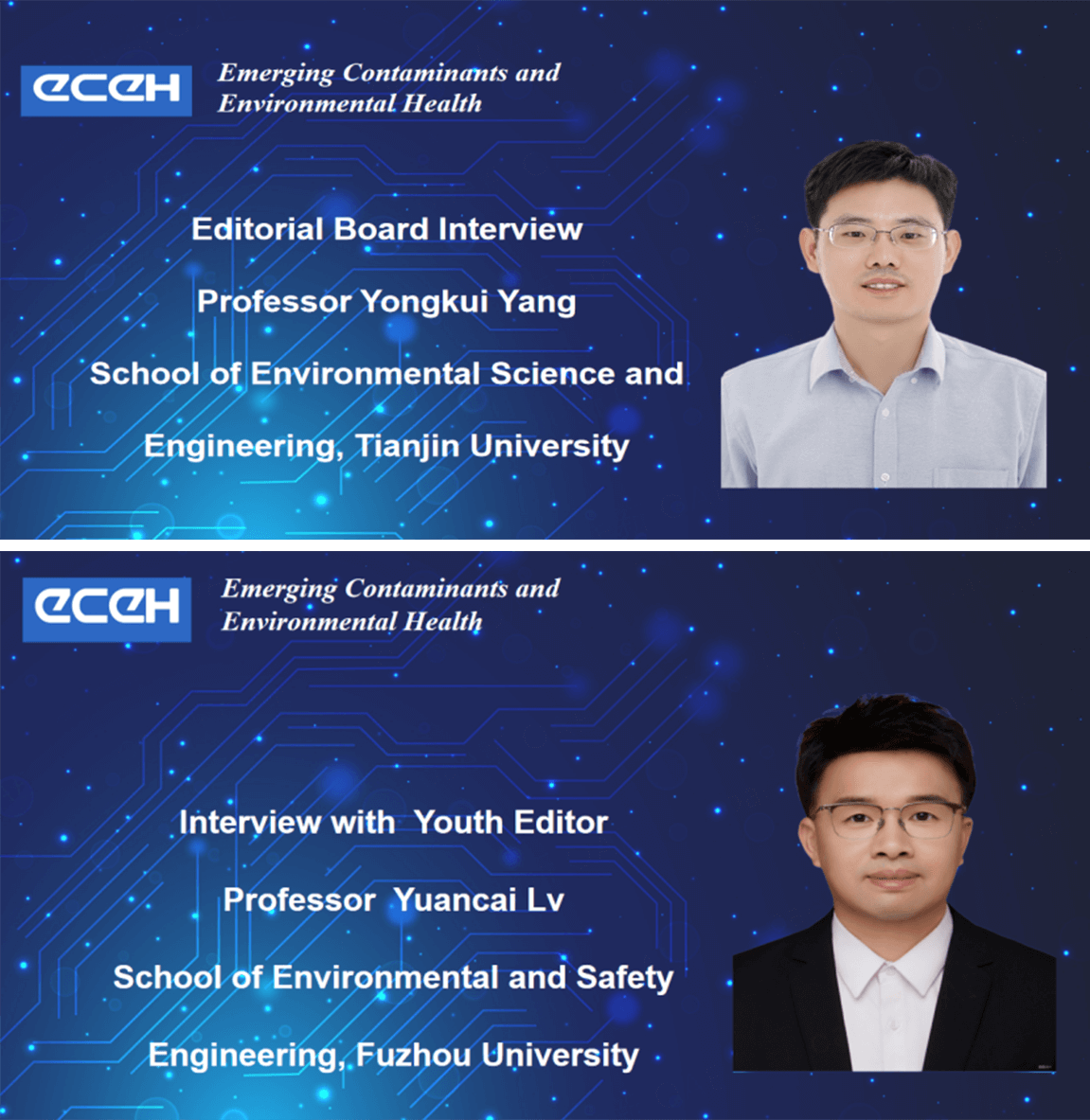
Figure 11. Expert Interviews7in 2025
In 2025, ECEH conducted expert interviews with scholars from China and abroad, covering topics such as environmental pollution and health, wastewater treatment technologies, and microplastic pollution and remediation.
- Dr. Francois Galgani (French Research Institute for Exploitation of the Sea, France) and Prof. Fayuan Wang (Qingdao University of Science and Technology, Qingdao, China) discussed recent research on the environmental behavior and physiological toxicity of microplastics.
- Prof. Xinyue Zhao (Northeast Agricultural University, Harbin, China) focused on microbial ecological restoration in artificial wetlands and biologically enhanced treatment of wastewater.
- Assoc. Prof. Yongkui Yang (Tianjin University, Tianjin, China) and Assoc. Prof. Yuancai Lv (Fuzhou University, Fuzhou, China) introduced research on the identification and environmental hazards of emerging pollutants.
7. Webinars
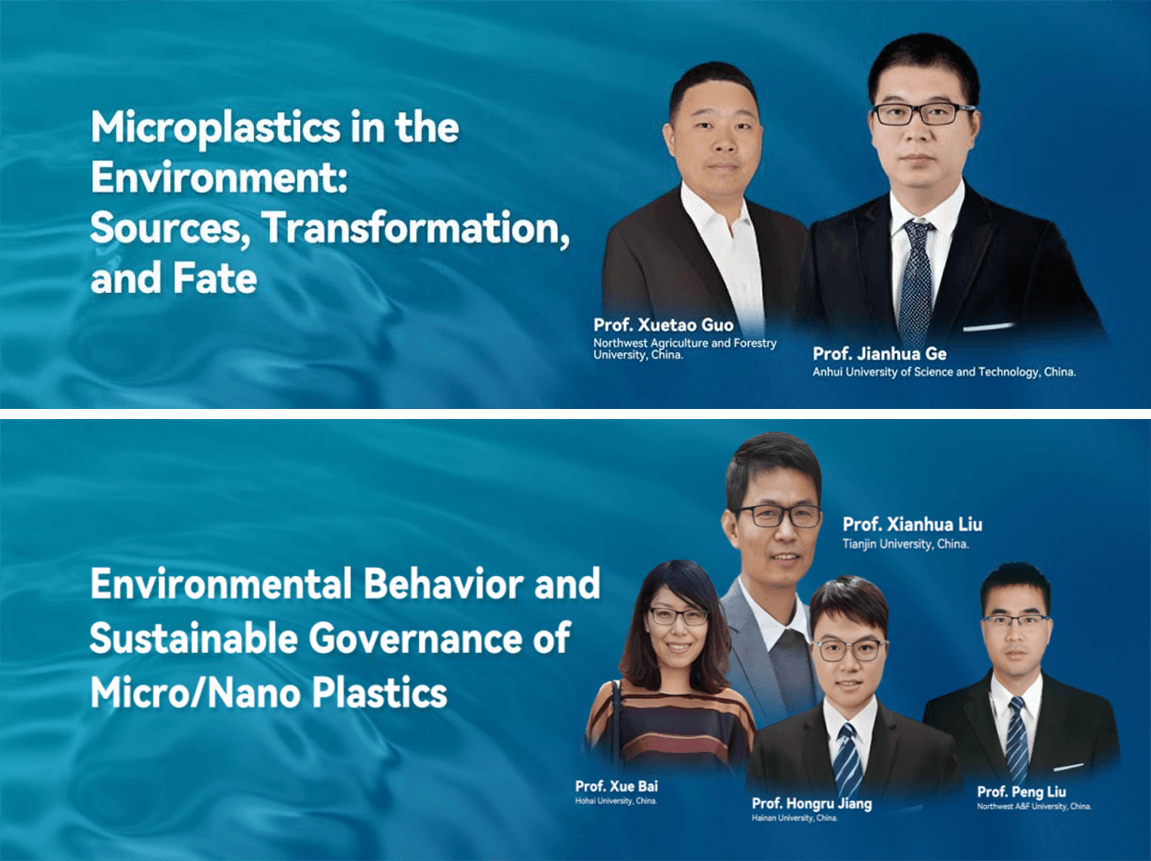
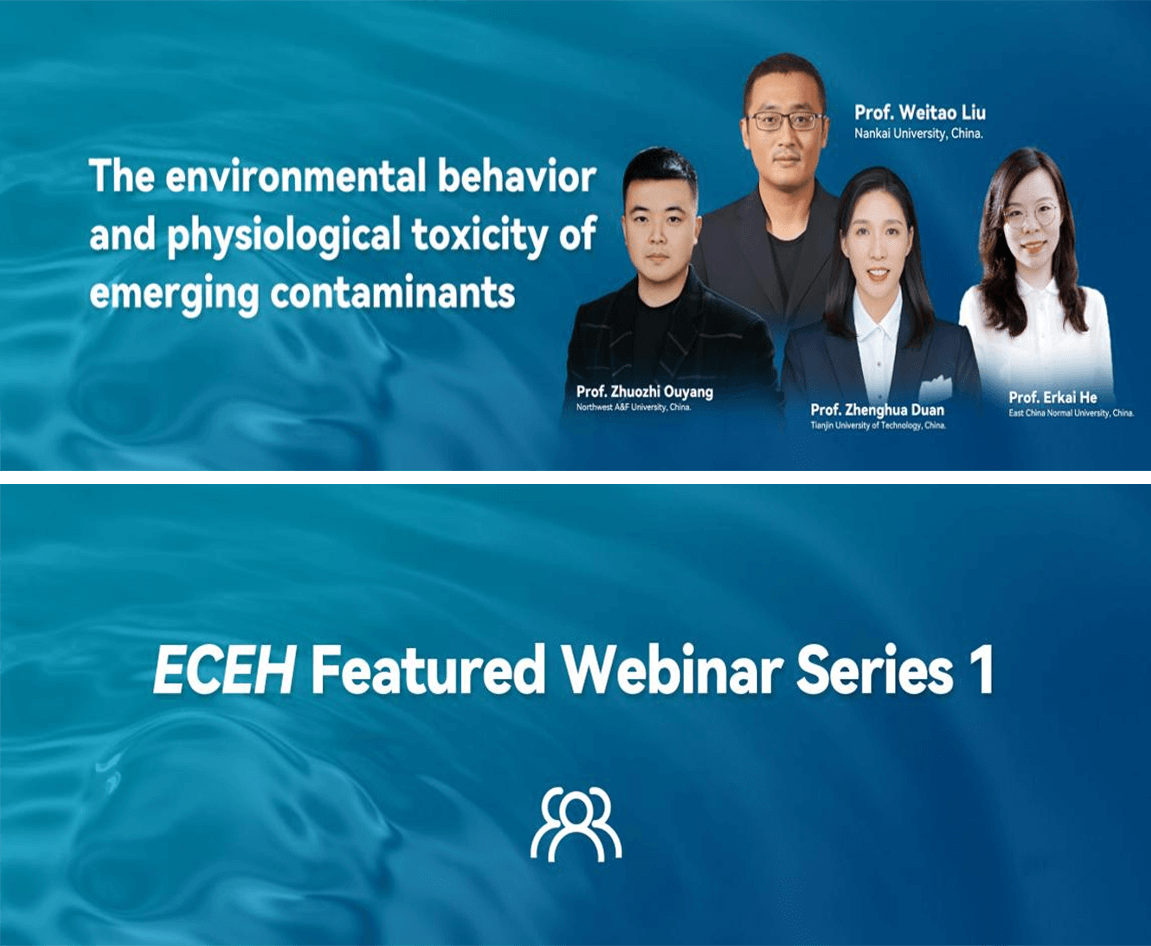
Figure 12. ECEH International Webinar Series in 2025
In 2025, ECEH organized a series of international webinars focused on the environmental impact of micro- and nanoplastics and emerging contaminants. Key topics included detection techniques, environmental behavior, sources of microplastics, and the physiological toxicity of emerging contaminants. These events fostered academic exchange and interdisciplinary collaboration among researchers worldwide.
8. Academic Conferences and Outreach
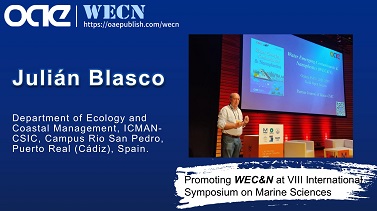
Throughout 2025, a total of 12 Editorial Board Members promoted ECEH at academic conferences on 13 separate occasions. Through in-person presentations and professional recommendations, the journal's visibility and recognition within relevant research communities were further enhanced, reaching a broader international audience.
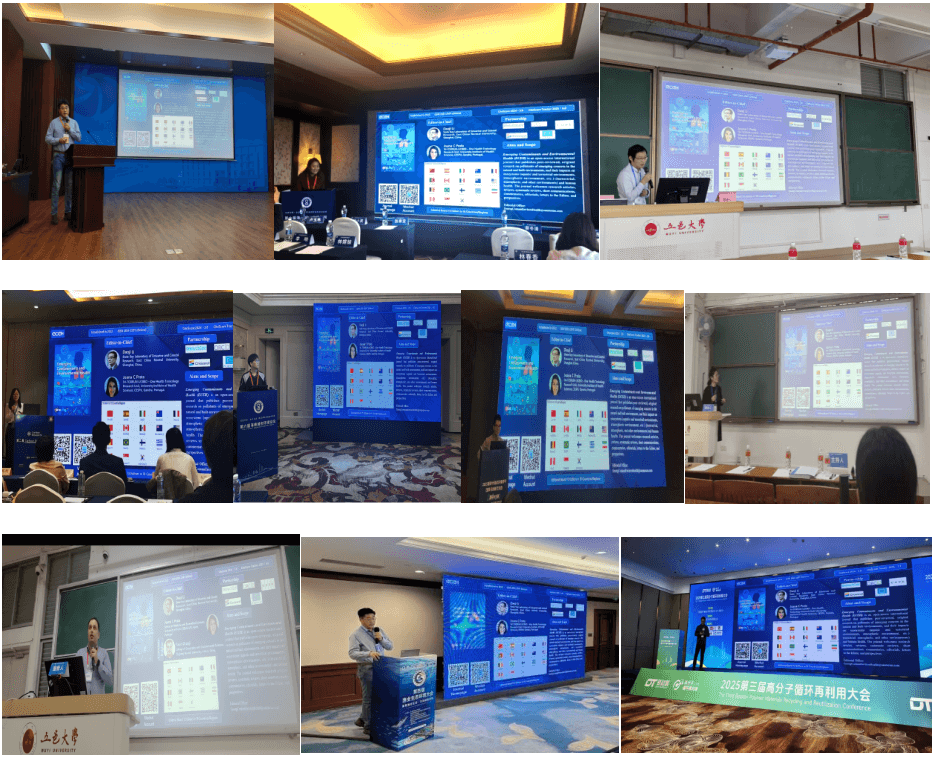
Figure 13. Editorial Board Members Presenting ECEH at Academic Conferences in 2025
Acknowledgments
The Editorial Office of ECEH sincerely thanks all individuals and organizations who supported the journal in 2025. We are grateful to the Editors-in-Chief and Editorial Board Members for their academic leadership, to the reviewers for their rigorous and timely evaluations, to the authors for their trust and valuable contributions, to our readers for their continued interest and support, and to our editorial staff for their dedication to open access publishing.
The journal's growth is the result of these collective efforts. Looking ahead, the Editorial Office will continue to uphold principles of academic rigor, transparency, and open communication, working collaboratively with the global research community to further enhance ECEH's academic quality and international presence.
Editor: Tina Li
Language Editor: Catherine Yang
Production Editor: Ting Xu
Respectfully Submitted by the Editorial Office of Emerging Contaminants and Environmental Health