
Expert Interview with Dr. Shahzad G. Raja: OPCAB and the Future of Surgical Coronary Revascularization
On October 28, The Editorial Office of Vessel Plus is pleased to present an exclusive interview with Dr. Shahzad G. Raja, Associate Editor of Vessel Plus and Consultant Cardiac Surgeon at Harefield Hospital, London, UK. In this interview, Dr. Raja shares his perspectives on off-pump coronary artery bypass grafting (OPCAB), including patient selection, surgical outcomes, graft patency, antiplatelet management, and the future of surgical coronary revascularization. The interview is conducted by Dr. Yangwu Song of Fuwai Hospital, National Center for Cardiovascular Disease, China.
Interview Questions & Key Highlights:
Q1: Which patients are most likely to benefit from off-pump coronary artery bypass grafting (OPCAB), and what are the main barriers to its wider adoption?
Answer: Dr. Raja emphasized that OPCAB and on-pump CABG should be viewed as complementary rather than competing surgical techniques. The primary objective is to achieve safe, complete, and durable coronary revascularization. Patients who may particularly benefit from OPCAB include: Patients with significant ascending aortic atherosclerosis, in whom an aortic no-touch technique may reduce perioperative stroke risk. Patients with renal dysfunction or significant pulmonary disease. Patients with peripheral vascular disease. Patients with multiple comorbidities who may benefit from avoiding cardiopulmonary bypass.He identified the learning curve, surgical expertise, and dedicated operating teams as major barriers to wider OPCAB adoption. Concerns raised by randomized trials regarding graft patency, completeness of revascularization, and long-term outcomes must also be acknowledged.The future of coronary surgery lies in selecting the right technique for the right patient and ensuring that it is performed by the right surgeon.
Q2: How should cardiac surgeons balance short-term operative risks against long-term survival and the potential benefits of multiple arterial grafting when selecting the optimal CABG strategy?
Answer: Dr. Raja emphasized that CABG should be evaluated beyond its immediate postoperative results. Surgical decisions may influence patients' health and quality of life over the next 10–20 years. Key considerations include: The importance of conduit selection and long-term graft durability. The potential advantages of multiple arterial grafting in younger patients with longer life expectancy. The increased risk of sternal wound complications associated with bilateral internal thoracic artery harvesting, particularly in patients with diabetes. The importance of skeletonized harvesting techniques and careful patient selection. The need to consider biological age, frailty, comorbidities, and expected survival rather than chronological age alone. He also emphasized that pursuing complete arterial revascularization should not compromise anastomotic quality or overall surgical safety. The best CABG strategy is not necessarily the most technically sophisticated operation, but the one that provides the greatest overall benefit for the individual patient.
Q3: How can clinicians best balance graft patency and the prevention of ischemic events against bleeding risk, and what key evidence gaps should future research address?
Answer: Dr. Raja highlighted the importance of postoperative secondary prevention, emphasizing that successful surgery depends not only on technical performance but also on appropriate postoperative medical management. His main points included: Aspirin remains the cornerstone of antiplatelet therapy following CABG. Dual antiplatelet therapy (DAPT) may improve saphenous vein graft patency, particularly during the first postoperative year. Improved graft patency does not necessarily translate into better long-term clinical outcomes. The potential benefits of DAPT must be balanced against bleeding risks, particularly in elderly patients and those with anemia, renal dysfunction, or previous perioperative bleeding. He also introduced the ongoing CABG-PRIME study at Harefield Hospital, which uses thromboelastography (TEG) with platelet mapping to assess platelet inhibition in patients receiving aspirin and clopidogrel. Three important research priorities were highlighted: Identifying which CABG patients derive the greatest benefit from DAPT. Establishing the optimal duration of antiplatelet treatment. Determining whether platelet function-guided treatment improves clinical outcomes compared with conventional strategies. Future postoperative antiplatelet management should move toward individualized treatment, balancing ischemic protection against bleeding risk.
Q4: What advice would you give to young cardiovascular surgeons who want to develop into independent clinical researchers while maintaining excellence in surgical practice?
Answer: Dr. Raja emphasized that clinical excellence must remain the foundation of a cardiovascular surgeon's career. His advice included: Prioritize clinical excellence: Research should complement, rather than replace, clinical and surgical responsibilities. Identify research questions through clinical practice: Unexpected postoperative outcomes and challenging clinical decisions can provide valuable starting points for research. Challenge established assumptions: Long-standing clinical practices should be evaluated critically rather than accepted without question. Develop research skills: Young surgeons should understand study design, statistical analysis, critical appraisal, and the limitations of different types of evidence. Find effective mentors: Good mentors should encourage independence, confidence, critical thinking, and the development of an individual research identity. Build academic independence: Progress from participating in research projects to developing independent studies, presenting findings internationally, and publishing original research. The strongest clinical researchers are those who combine excellent surgical practice with curiosity, scientific discipline, and a commitment to improving patient care.
Q5: As an experienced journal editor and reviewer, what are the most important criteria you consider when assessing the methodological rigor and clinical relevance of a manuscript? What common weaknesses should authors address before submission?
Answer: Dr. Raja explained that the quality of a scientific study is not determined simply by the complexity of its statistical analysis or the size of its dataset. He highlighted six essential principles: Clinical relevance: Research should address an important clinical question with the potential to improve patient care. Appropriate study design: The methodology must be suitable for the research question, particularly when using observational studies. Appropriate use of propensity score matching: PSM can balance measured baseline characteristics but cannot eliminate unmeasured confounding or transform an observational study into a randomized trial. Robust long-term follow-up: Researchers should ensure follow-up completeness, accurate mortality ascertainment, appropriate censoring, and consideration of changes in clinical practice over time. Accurate interpretation of results: Statistical significance does not necessarily indicate clinical significance, and association does not establish causation. Scientific transparency and integrity: Authors should honestly report missing data, unexpected findings, negative results, and study limitations. He emphasized that authors should focus on effect sizes, confidence intervals, clinical relevance, and the limitations of their findings rather than relying solely on P values. Good research is not about producing statistically significant results; it is about producing reliable knowledge that clinicians can trust and use to improve patient care.
About Dr. Shahzad G. Raja:

Dr. Shahzad G. Raja, Associate Editor of Vessel Plus and Consultant Cardiac Surgeon at Harefield Hospital in London, United Kingdom. Dr. Raja specializes in off-pump coronary artery bypass grafting, total arterial revascularization, and aortic and major vascular surgery. He also serves as Deputy Editor of the Journal of Thoracic Disease and Associate Editor of the International Journal of Surgery. In addition, he is the editor of the UK's first cardiac surgery textbook, Cardiac Surgery: A Complete Guide, and has published more than 300 peer-reviewed scientific papers.
About Dr. Yangwu Song:
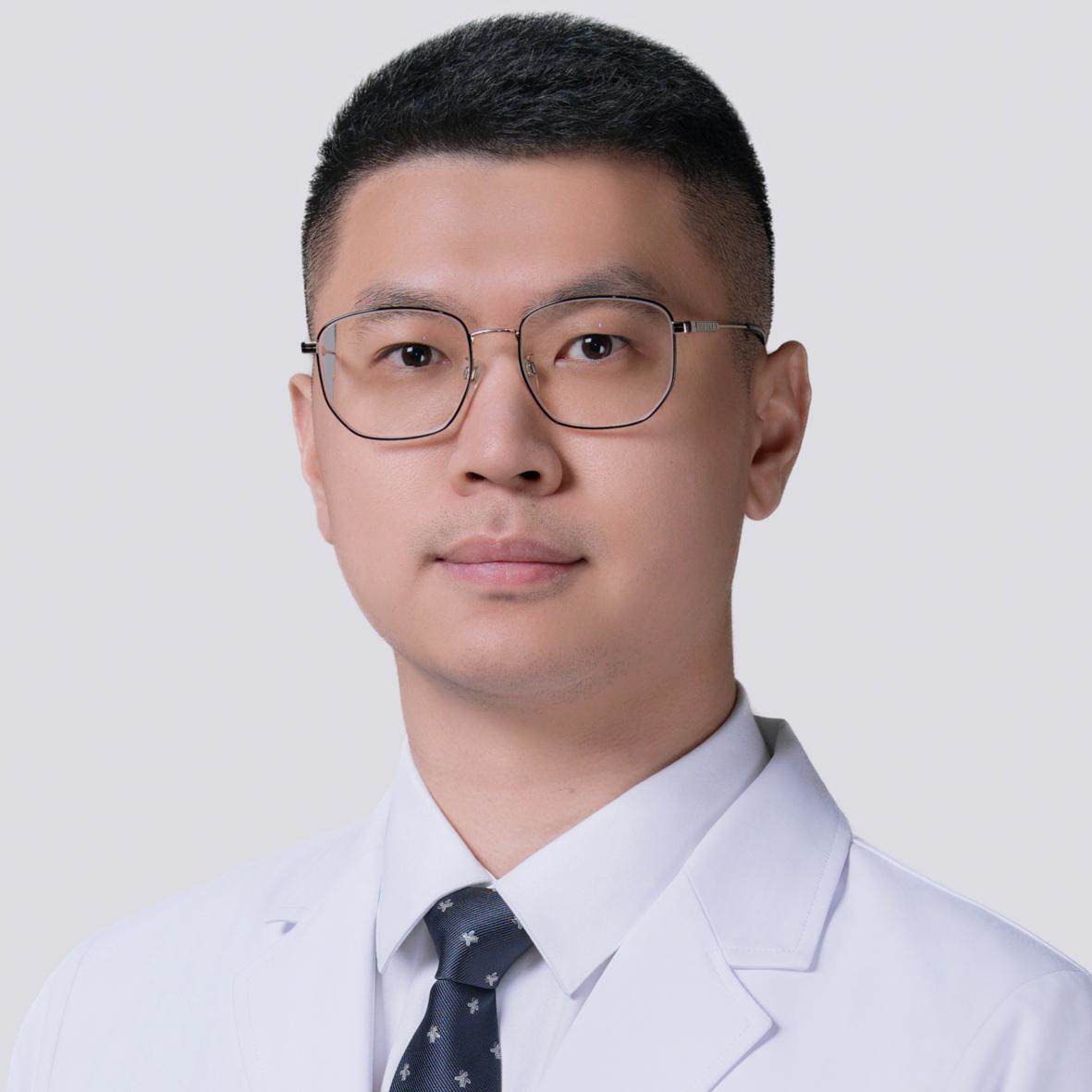
Dr. Yangwu Song, an attending physician in cardiovascular surgery at Fuwai Hospital, National Center for Cardiovascular Diseases, China. Dr. Song's research focuses on surgical treatment of coronary artery disease, post-myocardial infarction left ventricular remodeling, left ventricular aneurysms, and the surgical management and long-term outcomes of mechanical complications following myocardial infarction. His work also extends to coronary artery bypass grafting, valve surgery, and long-term secondary prevention, including diabetes management after surgical revascularization. He has published more than 30 research papers in related fields.
Scientific Editor:Toni Zhang
Managing Editor: Ada Chen
Production Editor: Xingyue Luo
Respectfully Submitted by the Editorial Office of Vessel Plus