


Exclusive Interview with Prof. Bernhard Meier: The Future of PFO Closure: From Secondary Prevention to New Frontiers
On August 24, the Editorial Office of Vessel Plus is delighted to present an exclusive interview with Prof. Bernhard Meier, an internationally renowned pioneer in interventional and structural cardiology at the University of Bern, Switzerland . In this interview, Prof. Meier shared his perspectives on the evolution and future of patent foramen ovale (PFO) closure, including patient selection, expanding indications, long-term outcomes, antithrombotic management, and emerging opportunities beyond secondary stroke prevention. The interview was conducted by Prof. Josep Rodés-Cabau, a leading expert in structural heart disease and transcatheter cardiovascular interventions at Laval University and the Quebec Heart & Lung Institute, Canada.
Interview Questions & Key Highlights:
Q1: How should antithrombotic therapy be managed after PFO closure? In particular, can treatment be discontinued after several months or one year, and how should differences between cardiology and neurology practice be reconciled?
Answer: Prof. Meier emphasized that the available long-term experience is reassuring, with no major late device-related problems expected after successful PFO closure. He recalled that in the early era of device closure, patients were often discharged without specific antithrombotic therapy; concerns about thrombosis with some early devices later led to the use of antiplatelet therapy, including temporary dual antiplatelet therapy. He also highlighted an important difference between cardiology and neurology practice. Interventional cardiologists often consider treatment stoppable after a few months once the device is endothelialized and imaging confirms satisfactory closure, whereas neurologists may favor longer therapy because the original cerebral event may have had another mechanism. In young patients without meaningful atherosclerotic risk, Prof. Meier questioned the added value of lifelong aspirin or statin therapy after complete closure, while noting that other possible stroke mechanisms still require appropriate evaluation.
Prof. Rodés-Cabau noted that this question became particularly relevant after long-term follow-up showed that many young patients had discontinued antiplatelet therapy on their own yet generally continued to do well. His group has therefore initiated a prospective registry in carefully selected patients in whom antiplatelet therapy is stopped one year after PFO closure. Eligibility requires complete closure confirmed by echocardiography and a bubble study, absence of thrombophilia or another major prothrombotic condition, and a high RoPE score. Brain MRI is obtained at inclusion and repeated after one year to assess silent cerebral events, with clinical follow-up planned for up to 10 years. He stressed that prolonged aspirin exposure is not benign, even in younger patients, because gastrointestinal and intracranial bleeding may occur, while direct evidence supporting lifelong aspirin specifically after successful PFO closure remains limited.
Q2: Should PFO closure be considered in patients older than 60 years with cryptogenic stroke, given the higher prevalence of competing mechanisms such as atrial fibrillation and atherosclerosis?
Answer: Prof. Meier argued that older age should not automatically exclude patients from consideration for PFO closure. He pointed out that venous thrombosis becomes more common as patients age, and because venous thrombosis is a prerequisite for paradoxical embolism, the absolute relevance of a PFO may in some patients increase rather than disappear with age. At the same time, he acknowledged that competing stroke mechanisms, particularly atrial fibrillation and atherosclerosis, are also more frequent in older adults and must be carefully investigated and treated. From a procedural perspective, he noted that PFO closure is not inherently more difficult in an older patient and can be performed with a very low complication rate in experienced hands. His preferred approach is therefore to remove the PFO as one preventable embolic pathway while simultaneously addressing alternative causes of stroke. He supports randomized trials in older patients but cautioned that waiting many years for definitive trial results may delay treatment for selected individuals who could already benefit.
Q3: How much weight should be given to high-risk PFO anatomy, including atrial septal aneurysm and shunt size, particularly when there are discrepancies between TEE and catheter-based assessment?
Answer: Prof. Meier considered high-risk anatomical features an important part of clinical decision making, especially when current indications are applied restrictively. He explained that an atrial septal aneurysm may cause the PFO to open repeatedly with each heartbeat, potentially increasing the cumulative opportunity for paradoxical passage. Other features, including a large PFO gap, a prominent Eustachian valve, or a Chiari network, may also increase the likelihood that venous material is directed toward the interatrial septum. He noted that echocardiography does not always define PFO anatomy perfectly, and discrepancies may occur between pre-procedural TEE findings and the anatomy observed from the femoral venous approach. Nevertheless, careful TEE and transcranial Doppler can provide useful estimates of shunt magnitude. In his view, high-risk anatomy should be prioritized, although a smaller PFO without an aneurysm may still favor closure in selected patients when procedural risk is extremely low, recognizing that the expected absolute benefit is likely smaller.
Q4: Could PFO screening and closure have a role in primary prevention among patients with venous thrombosis, thrombophilia, or other high-risk clinical settings before a first embolic event?
Answer: Prof. Meier supported exploring PFO closure as a primary-prevention strategy in carefully selected high-risk situations rather than only after a first embolic event. He suggested that patients with venous thrombosis, thrombophilia, or other conditions associated with increased thromboembolic risk may warrant particular consideration. Major surgery and prolonged immobilization were also highlighted because they can substantially increase venous thrombosis risk, and pregnancy may represent another setting in which PFO status could become clinically relevant. At the same time, he emphasized that universal screening would not be appropriate because PFO is present in roughly one quarter of the general population. The key principle, in his view, is that screening should be performed only when identifying a PFO would meaningfully change management. Future prevention strategies should therefore focus on the combination of higher-risk PFO anatomy and higher-risk clinical circumstances rather than broad population screening.
Q5: Could future research identify specific subgroups of patients with migraine who are most likely to benefit from PFO closure, despite the neutral primary endpoints of previous randomized trials?
Answer: Prof. Meier remained optimistic that PFO closure may eventually have a clearer role in selected patients with disabling migraine. He noted that clinical experience suggests meaningful improvement in some patients after closure and highlighted the growing experience from China, where migraine has been considered more actively as a potential indication. He also referred to long-term observations in which migraine prevalence was substantially lower after PFO closure than at baseline, while acknowledging that aging itself reduces migraine prevalence and therefore limits causal interpretation. In his view, previous randomized migraine trials often showed numerical benefit despite failing to meet their primary endpoints, and factors such as endpoint selection, sample size, and study design may have contributed. He cautioned against interpreting a negative primary endpoint as proof that the procedure has no value. For carefully selected patients with severe migraine and a PFO, closure may still be discussed after appropriate evaluation, with clear counseling that symptomatic benefit is not guaranteed and that the evidence remains less definitive than for secondary stroke prevention.
Additional exchange:
How frequently has migraine been used as an indication for PFO closure at Fuwai Hospital?
Toni Zhang (Postdoc fellow in Fuwai hospital) replied that, in the earlier 2021–2022 period being discussed, migraine accounted for only a limited number of cases at Fuwai Hospital. The group noted that the proportion appears to have increased more recently in China.
Prof. Meier added that a large share of recent Chinese PFO manuscripts he reviews involve migraine and viewed this as an important development. He also shared an anecdote about a patient with severe migraine who traveled from Canada to Switzerland for PFO closure and experienced marked improvement, illustrating how disabling migraine can be for some patients.
About Prof. Bernhard Meier:
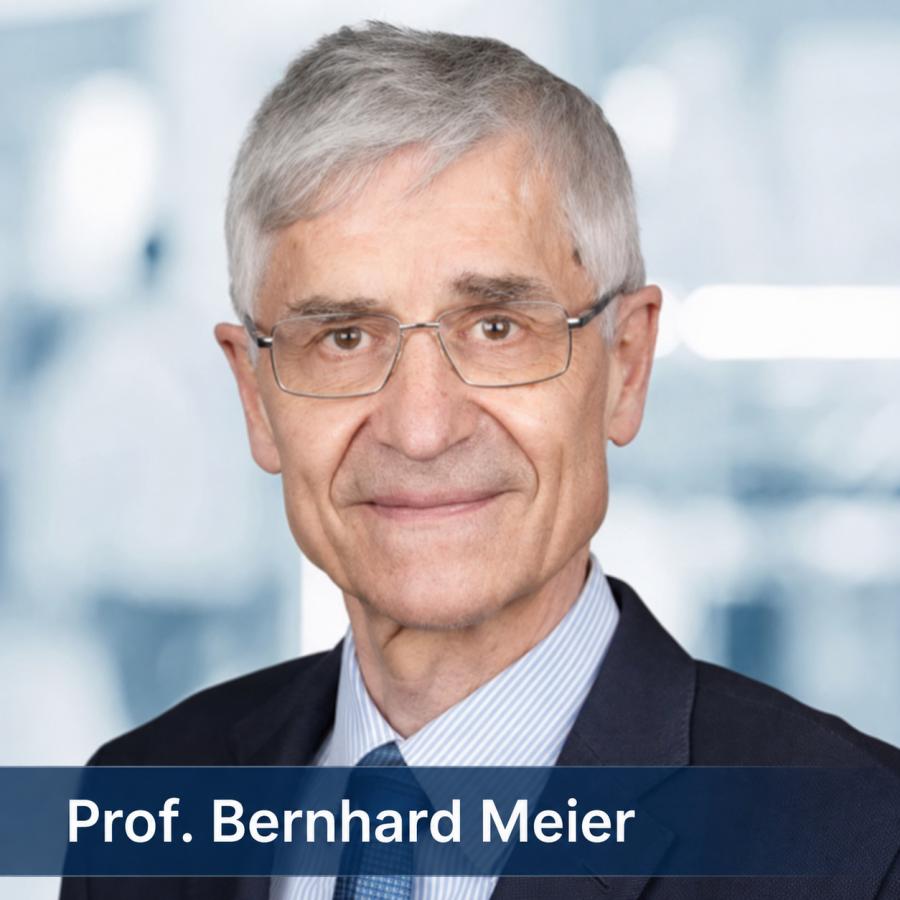
Prof. Bernhard Meier, based at Cardio Bern, Lindenhof Hospital Group, and the University of Bern, Bern, Switzerland, is an internationally renowned pioneer in interventional cardiology and one of the key figures in the development of modern catheter-based cardiovascular treatment. He was closely involved in the earliest era of coronary angioplasty, having assisted Andreas Grüntzig during the first coronary angioplasty procedure in 1977, and later became Professor and Chairman of Cardiology at Bern University Hospital. Prof. Meier has made landmark contributions to coronary intervention and structural heart disease, particularly in the development and clinical adoption of percutaneous closure techniques for patent foramen ovale (PFO) and other intracardiac defects. His work has had a lasting influence on the evolution of minimally invasive cardiovascular medicine.
About Prof. Josep Rodés-Cabau:
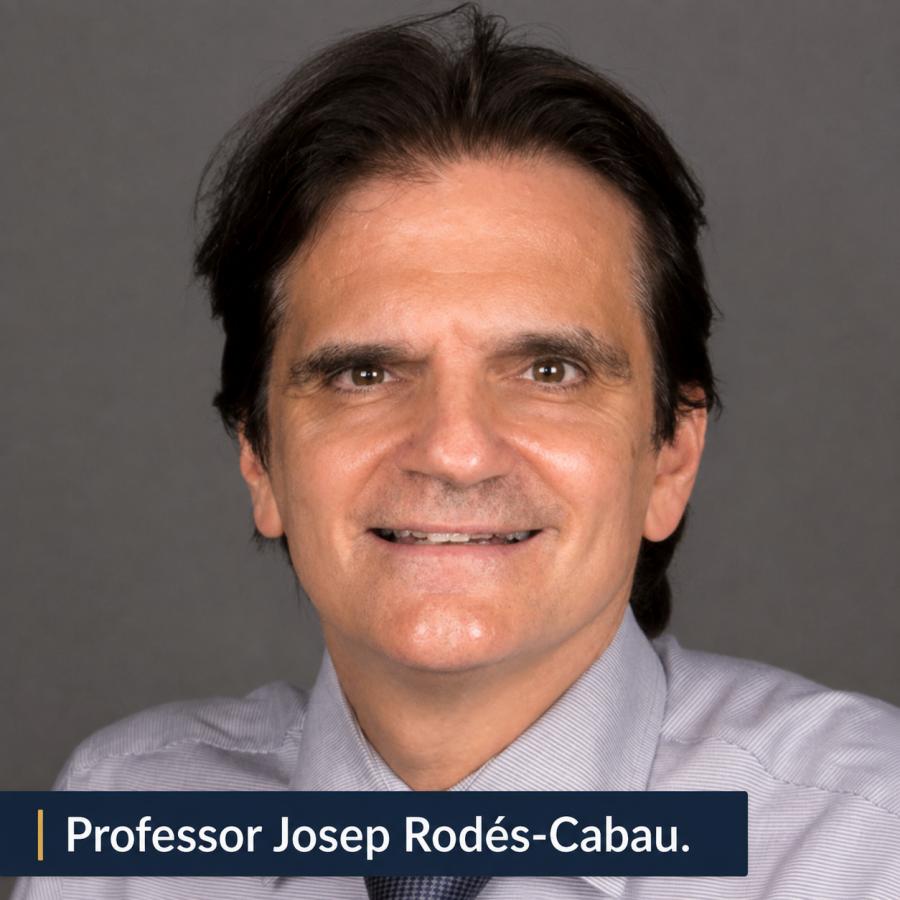
Prof. Josep Rodés-Cabau is a leading interventional cardiologist and internationally recognized expert in structural heart disease at the Quebec Heart and Lung Institute, Université Laval, Canada. His research and clinical work focus on transcatheter therapies for valvular and structural heart disease, including TAVR/TAVI, mitral and tricuspid interventions, left atrial appendage closure, and PFO closure. He has played a major role in clinical studies evaluating transcatheter valve technologies, long-term outcomes, patient selection, and procedural strategies, and currently leads advanced training in interventional cardiology and structural heart disease at Université Laval. His ongoing research also includes randomized investigation of PFO closure in older patients with cryptogenic stroke.
Scientific Editor:Toni Zhang
Managing Editor: Ada Chen
Production Editor: Xingyue Luo
Respectfully Submitted by the Editorial Office of Vessel Plus