


Special Interview with Prof. Carl J. (Chip) Lavie: Insights on Obesity Management and Emerging Therapies in Cardiovascular Care
On December 19, 2025, the Vessel Plus Editorial Office conducted an interview with Prof. Carl J. (Chip) Lavie, Editorial Board Member of Vessel Plus and Medical Director of Cardiac Rehabilitation and Preventive Cardiology at the John Ochsner Heart and Vascular Institute, New Orleans, Louisiana, USA. The interview was conducted by Prof. Yajun Duan, Editorial Board Member of Vessel Plus and researcher at the Department of Cardiology, the First Affiliated Hospital of USTC, Division of Life Sciences and Medicine, University of Science and Technology of China (USTC), Hefei, China.
This conversation provided valuable insights into Prof. Lavie's extensive editorial experience and perspectives on evaluating high-quality cardiometabolic and cardiovascular research. He shared his views on the critical role of physical activity and cardiorespiratory fitness in risk assessment, emerging biomarkers such as inflammation and lipoprotein(a), and the complex relationship between obesity and cardiovascular disease. He also discussed the so-called "obesity paradox" and highlighted the importance of integrated lifestyle and pharmacological approaches to reducing cardiometabolic risk.
Interview Questions & Highlights:
Q1. With your extensive responsibilities, including serving as Associate Editor and Cardiovascular Section Editor of Mayo Clinic Proceedings, you manage an exceptionally heavy editorial workload. You previously mentioned handling over 35 new papers per week, along with 1-3 lectures and your own publishing commitments. How do you effectively balance these demands? And when reviewing so many papers, what key indicators help you quickly assess whether a submission is high quality and suitable for publication?
The first step is to identify any fatal methodological or conceptual flaws. If none exist, most papers have merit. The next consideration is novelty and clinical or public health significance. Finally, priority matters - reviewers must judge not only whether a paper is publishable but also whether it aligns with the journal's impact level and readership.
Q2. Cardiovascular risk prediction has evolved significantly with new biomarkers and diagnostic tools. How do you assess the utility of newer risk stratification models in daily clinical practice, and are there any emerging markers that you believe could significantly impact patient outcomes?
Many traditional risk models underestimate or ignore physical activity and cardiorespiratory fitness, which are among the strongest predictors of prognosis. Looking ahead, inflammatory markers such as C-reactive protein and lipoprotein(a) will play an increasingly important role, especially as emerging therapies demonstrate meaningful reductions in cardiovascular events.
Q3. In your recent American Association of Cardiovascular & Pulmonary Rehabilitation (AACVPR) seminar "Uncovering the Connection Between Cardiovascular Disease and Obesity," you discussed links between these two conditions. Could you elaborate on the most significant mechanisms linking obesity to cardiovascular disease, and their implications for treatment strategies?
Obesity adversely affects nearly every cardiovascular risk pathway, including glucose metabolism, blood pressure, lipid profiles, inflammation, and endothelial function. While pharmacologic and surgical therapies have advanced significantly, lifestyle interventions - particularly increasing physical activity - remain fundamental and must begin early, ideally in childhood.
Q4. You have extensively explored the 'obesity paradox' in coronary heart disease, where overweight and obese patients sometimes experience better short- and medium-term outcomes compared to their leaner counterparts. Do you think this paradox is temporary, or does it reveal deeper insights into the relationship between body composition and cardiovascular health? Could you discuss potential mechanisms?
The "obesity paradox" describes the finding that although obesity increases the risk of cardiovascular disease, patients with established disease who are overweight or mildly obese often have better short- to medium-term outcomes than leaner patients. This does not mean obesity is protective; rather, poorer outcomes in lean patients are likely related to low muscle mass, genetic susceptibility, and especially low cardiorespiratory fitness. Overall, fitness appears to be a stronger determinant of prognosis than body weight alone.
Q5. Your research has highlighted the impact of traditional cardiovascular risk factors such as hypertension, diabetes, and obesity. Given the growing recognition of cardiometabolic syndrome, what strategies do you recommend for clinicians to manage the complex interplay between conditions such as hypertension, dyslipidemia, and insulin resistance?
Management requires a multifactorial approach. Improving physical activity and fitness is essential, but newer therapies targeting obesity, dyslipidemia, glucose control, and inflammation - such as glucagon-like peptide-1 (GLP-1) receptor agonists and sodium-glucose cotransporter-2 (SGLT2) inhibitors - are now producing meaningful reductions in cardiovascular events when used alongside lifestyle modification.
About Prof. Carl J. (Chip) Lavie:
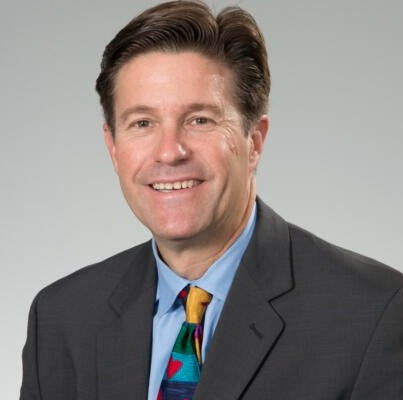
Prof. Carl J. Lavie, M.D., FACC, FACP, FCCP, is an internationally renowned cardiologist and Professor of Medicine at the John Ochsner Heart and Vascular Institute, New Orleans, USA, where he serves as Medical Director of Cardiac Rehabilitation and Preventive Cardiology. He is also Director of the Exercise Testing Laboratory and a staff cardiologist at Ochsner Health.
Prof. Lavie is widely recognized as one of the world's most influential scholars in preventive cardiology and cardiovascular rehabilitation. His research spans exercise-based interventions, cardiometabolic risk reduction, lipid management, hypertension, and obesity, with findings that have shaped clinical practice guidelines and global cardiovascular prevention strategies. He has authored over 1500 peer-reviewed publications and two major cardiology textbooks, and is among the most highly cited experts in his field.
In addition to his scientific contributions, Prof. Lavie holds prominent editorial roles in leading cardiovascular journals. He currently serves as Associate Editor and Cardiovascular Section Editor of Mayo Clinic Proceedings, Cardiometabolic Section Editor of Current Cardiology Reports, Associate Editor of Heart and Mind, and Deputy Editor of Archives of Medical Sciences. His academic excellence has been recognized with numerous prestigious honors, including the Simon Dack Award and the AACVPR Research Award, reflecting his sustained and outstanding impact on cardiovascular research and clinical care worldwide.
About Prof. Yajun Duan:
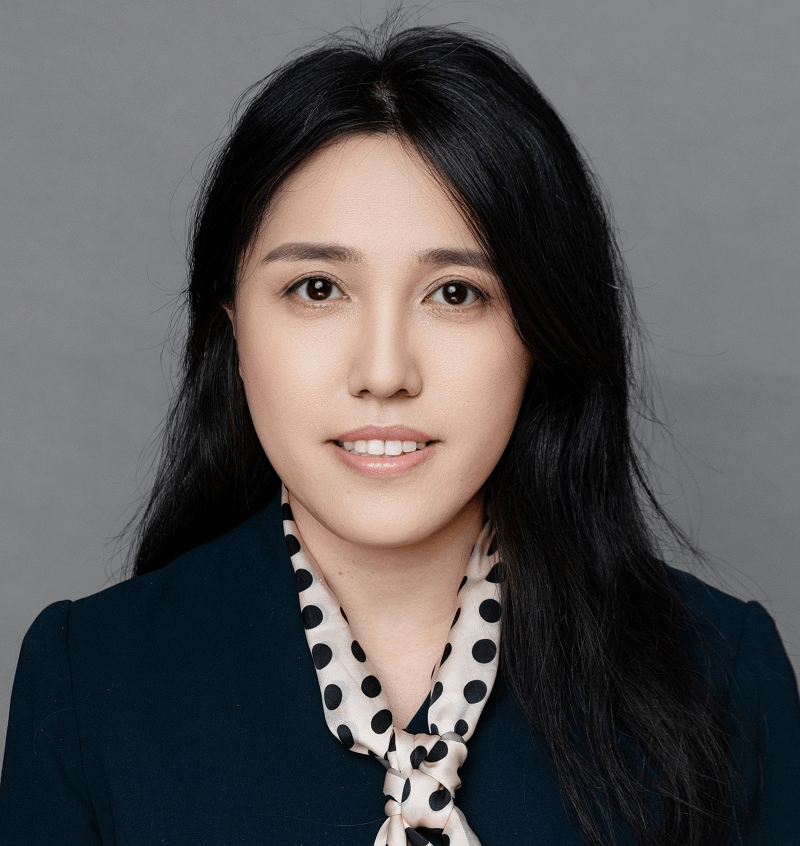
Prof. Yajun Duan is a China National Science Fund for Excellent Young Scholars awardee, Professor, and Ph.D. supervisor at the School of Life Sciences and Medicine, University of Science and Technology of China (USTC), Hefei, China. Her research focuses on the mechanisms and drug targets of atherosclerosis and heart failure. She has led and participated in several projects funded by the National Natural Science Foundation of China and received awards including the Second Prize of the 2017 Outstanding Scientific Research Achievement Award in Natural Science.
Editor: Sherry Davis
Language Editor: Catherine Yang
Production Editor: Ting Xu
Respectfully Submitted by the Editorial Office of Vessel Plus