


Special Interview with Prof. Barry A. Franklin: Insights on A World Leader in Exercise-Based Cardiac Rehabilitation on Fitness, Lifestyle Medicine, Heart Health, and Professional Growth
On December 2, 2025, the Vessel Plus Editorial Office conducted an interview with Prof. Barry A. Franklin, an Editorial Board Member of Vessel Plus and Director (Emeritus) of Preventive Cardiology and Cardiac Rehabilitation at Corewell Health East, William Beaumont University Hospital, Royal Oak, Michigan, USA. The interview was conducted by Dr. Yang Zhang, a youth Editorial Board Member of Vessel Plus, researcher at the Department of Cardiology, Zhongshan Hospital, Fudan University and Shanghai Institute of Cardiovascular Diseases, Shanghai, China, and currently a postdoctoral fellow at the University of Michigan, Ann Arbor, Michigan, USA.
This conversation explored Prof. Franklin's extensive career in cardiovascular medicine, exercise physiology, and preventive cardiology, drawing on decades of scientific leadership. Prof. Franklin shared insights on personal and professional development, the critical role of exercise in cardiovascular rehabilitation, lifestyle strategies for heart health, and guidance for young researchers seeking long-term, meaningful careers.
Interview Questions & Highlights:
Q1. Looking back on your scientific career – one that has consistently placed you among the "Top 2% of Global Scientists" – which personal principles, work habits, or long-held professional philosophies have most shaped your success? What lessons from your journey can you believe are most valuable for young investigators aiming to build meaningful research careers?
Prof. Franklin emphasized that success is built on clear goal-setting and consistent daily effort. Key forerunners for professional success include happiness, optimism, and gratitude. For young investigators, he recommends finding great mentors, improving communication and computational skills, and pursuing advanced degrees, starting the day early to prioritize critical tasks and dedicating one's career to a cause greater than oneself.
Q2. As someone who works closely with early-career clinicians and researchers, how do you help young colleagues manage pressure, maintain well-being, and protect cardiovascular health while striving for academic excellence? Are there strategies that support sustainable long-term development?
Prof. Franklin advises young scholars to have a balanced diet rich in fruits, vegetables, seafood, and whole grains, stay physically active, and avoid cigarette smoking. He underscores monitoring key health metrics such as blood pressure, blood glucose, and cholesterol. He also recommends setting daily goals, avoiding weekend overwork – since consistency beats intensity – and taking regular breaks, including vacations, to revitalize long-term productivity and well-being.
Q3. In your research on exercise-based cardiovascular therapy, what differences have you observed between aerobics, resistance, and combined training in improving long-term outcomes for patients with coronary artery disease, heart failure, or hypertension? When evaluating the effectiveness of exercise interventions, which physiological markers or biomarkers do you consider most informative? How do these data help clinicians tailor and adjust exercise prescriptions over time?
Prof. Franklin explained that aerobic and resistance training are complementary, though aerobic exercise contributes most strongly to long-term survival. Lighter resistance training is more appropriate for patients with hypertension. Cardiorespiratory fitness (CRF) level, measured in metabolic equivalents (METs), is a powerful predictor of mortality – each 1 MET increase reduces mortality by approximately 16%. He advises clinicians to monitor resting heart rate, blood pressure, CRF or maximal oxygen uptake (VO2max), and grip strength, using these markers to personalize and continually refine exercise prescriptions.
Q4. HFpEF has become a major frontier in current heart failure research, with rapid progress in pharmacologic therapies in recent years. From the perspective of exercise training and cardiac rehabilitation, are there any special considerations or recommendations for patients with HFpEF? Are there notable differences in exercise evaluation between HFpEF and HFrEF patients?
Prof. Franklin highlighted that higher CRF significantly lowers the risk of both heart failure with preserved ejection fraction (HFpEF) and heart failure with reduced ejection fraction (HFrEF), independent of traditional risk factors, body mass index, or demographics. His studies show that low fitness, more than obesity, is a strong predictor of future HFpEF or HFrEF, and that supervised exercise therapy yields equal or greater benefits for HFpEF compared with HFrEF. He emphasizes that aerobic or endurance exercise training remains underused in heart failure management, and that progressively increasing moderate-to-vigorous physical activity is safe for both HFpEF and HFrEF, with an initial target of CRF level > 5 METs, achievable through training at ≥3 METs. This approach moves patients out of the "least-fit, least-active, high-risk cohort" (referred to as the bottom 20%), markedly reducing mortality.
Q5. There are studies showing that improved cardiorespiratory fitness reduces cardiovascular diseases risk, but the long-term effects of exercise interventions may need to be emphasized. Based on your experience, how long do the cardioprotective effects of exercise persist after completing a cyclical exercise program (e.g., 12 weeks of aerobic training)? In clinical practice, how do you motivate patients to sustain long-term physical activity and monitor their fitness levels regularly? Additionally, can changes in VO2max or other cardiopulmonary indicators directly quantify prognosis improvement, and how are these metrics incorporated into treatment or rehabilitation decisions?
Prof. Franklin noted that aerobic fitness declines rapidly once training stops, while strength can be largely preserved with minimal weekly training. Transient reductions in aerobic capacity, however, can be rapidly regained with resumed exercise. He encourages long-term exercise adherence include group programs, enjoyable activities, family support, and education on the mortality benefits of regular exercise – comparable to major cardioprotective medications. Gains in VO2max or peak METs directly predict improved prognosis, with each 1 MET increase in exercise capacity significantly lowering mortality (as detailed above), making these metrics central to guiding rehabilitation and treatment decisions.
Q6. For many people, it is quite difficult to maintain a routine of daily exercise. Are there any alternative approaches, such as pharmacologic options or high-intensity exercise once weekly, still be effective?
Prof. Franklin stressed that no pharmacologic intervention can replicate the VO2 increase required for cardiovascular conditioning. Heart rate elevation alone, unrelated to exercise, does not improve fitness. He cautioned against unsupervised high-intensity interval training, emphasizing its risk of cardiac events in those with occult or known cardiovascular disease. Instead, he recommends safer, accessible alternatives such as regular stair climbing (≥ 5 flights/day) – which can cut mortality by 30–35% – and accumulating 7,000–8,000 steps/day (or 2,500–3,000 steps for very sedentary individuals).
Q7. Your work in exercise and cardiovascular protection and behavioral science - along with your contributions to GPS for SUCCESS - highlights the common traits shared by high achievers across fields. When translating scientific evidence into daily practices for personal and professional growth, what important details or pitfalls do people tend to overlook? Which habits or mindsets are often underestimated, yet crucial for long-term success?
Prof. Franklin encouraged young scholars setting written goals and taking daily actions to achieve them. He stressed the importance of task prioritization, embracing setbacks as opportunities for growth, and pursuing continuous improvement. Collaboration, effective time management, seeking great mentors, and minimizing distractions are also key to achieving long-term success.
About Prof. Barry A. Franklin:
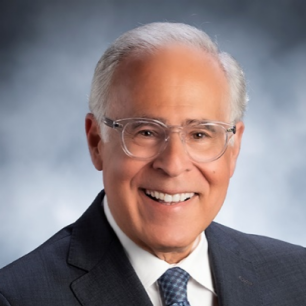
Prof. Barry A. Franklin, PhD, is Director (Emeritus) of Preventive Cardiology and Cardiac Rehabilitation at Corewell Health, William Beaumont University Hospital, Royal Oak, Michigan, USA. He holds faculty positions at Wayne State University, Detroit, and Oakland University, Rochester, Michigan, USA, specializing in exercise physiology and preventive cardiology/cardiac rehabilitation. He has served as President of the American Association of Cardiovascular and Pulmonary Rehabilitation (AACVPR, 1988–1989) and the American College of Sports Medicine (ACSM, 1999–2000), and Board Member of the American Society for Preventive Cardiology (ASPC).
Prof. Franklin has authored over 700 publications, including more than 600 clinical/scientific reports, 105 book chapters, and 27 books. He is a past Editor-in-Chief of Journal of Cardiopulmonary Rehabilitation and Prevention and serves on multiple editorial boards of leading journals. He is a Fellow of the ACSM, AACVPR, American Heart Association, and ASPC, with more than 1,200 invited presentations worldwide. He focus on cardiovascular disease detection, risk reduction, and preventive cardiology. His honors include the Oakland University William Beaumont School of Medicine Excellence in Clinical Research Award (2020) and the University of Michigan Lifetime Achievement Award (2019). In 2015, he was listed by Thomson Reuters among the World's Most Influential Scientific Minds (Clinical Medicine). In 2024, ScholarGPS ranked him among the "top 5" world experts in both cardiorespiratory fitness and cardiac rehabilitation.
About Dr. Yang Zhang:
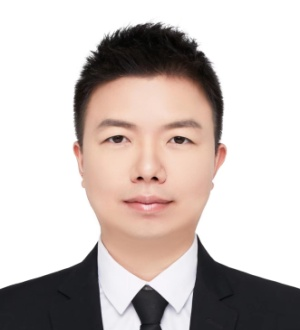
Dr. Yang Zhang is a researcher at the Department of Cardiology of Zhongshan Hospital, Fudan University and Shanghai Institute of Cardiovascular Diseases, Shanghai, China. His research focuses on panvascular aging, heart failure, and coronary arteritis. He has received funding from the National Key Research and Development Program of China and the National Natural Science Foundation of China. He has published over 20 high-impact papers on cardiovascular research, with a focus on vascular remodeling, cardiovascular aging, and therapeutic targets in heart failure, including notable contributions to understanding the molecular mechanisms and the role of CC chemokine ligand 17 (CCL17) in vascular health.
Editor: Sherry Davis
Language Editor: Catherine Yang
Production Editor: Ting Xu
Respectfully Submitted by the Editorial Office of Vessel Plus