


Special Interview with Prof. Jinsong Bian: Advancing Precision Pharmacology and Vascular Biology
On November 25, 2025, the Vessel Plus Editorial Office interviewed Editorial Board Member Prof. Jinsong Bian, Chair Professor and Director of the Department of Pharmacology at the School of Medicine, Southern University of Science and Technology, Shenzhen, China, and President of the Asian Society for Vascular Biology (ASVB). During the conversation, Prof. Bian discussed his team's recent preprint on bioRxiv, "TXNDC5 Governs Extracellular Matrix Homeostasis in Pulmonary Hypertension." This is the first to identify thioredoxin domain-containing protein 5 (TXNDC5) - a member of the protein disulfide isomerase (PDI) family - as a central regulator of extracellular matrix (ECM) homeostasis and endothelial function. He also shared insights on recent advances in pulmonary hypertension (PH), precision pharmacology, the role of artificial intelligence (AI) in medical education, and the upcoming ASVB 2026 meeting (National University of Singapore, June 12-13, 2026).
Interview Questions & Key Highlights:
Q1: Your research has demonstrated that extracellular matrix (ECM) proteins such as periostin (POSTN) play critical roles in pulmonary arterial hypertension (PAH), and you have identified POSTN as a biomarker for the disease. What is the most groundbreaking implication of POSTN in this context, and what key challenges do you foresee for its clinical translation?
Prof. Bian emphasized that ECM proteins are not merely "passive scaffolds", but rather "biomechanical programmers" that regulate vascular remodeling. In his recent bioRxiv publication, his team identified TXNDC5 as a key molecule in maintaining ECM homeostasis and endothelial function. Dysfunction of TXNDC5 can lead to vascular remodeling and PH. He noted that a key bottleneck for clinical translation is the need to identify highly specific ECM-based protein markers that enable the early prediction of PH.
Q2: Your group has conducted extensive research on receptor tyrosine kinases (RTKs) in PAH. From the perspective of clinical translation, what directions or priorities are most promising for developing tyrosine kinase inhibitors?
Prof. Bian highlighted the ECM-RTK-HIF feedback loop that drives the progression of PH. Current RTK inhibitors show limited efficacy and systemic toxicity. Future development should focus on localized pulmonary delivery, such as inhaled imatinib (AV-101), and remodeling-selective targets that enable precise, lung-specific therapeutic intervention.
Q3: With rapid advances in multi-omics and single-cell sequencing, pharmacology is entering a new era shaped by data-driven and systems biology approaches. Which diseases or research areas are poised to benefit the most from these technologies?
According to Prof. Bian, the integration of single-cell sequencing and multi-omics technologies has ushered in a phase of "single-cell precision pharmacology", shifting the focus from the tissue level to the cell-state level. For example, combining single-cell CRISPR with transcriptomic analyses enables the direct identification of approximately 20 druggable genes in the core pathogenic cell population - marking a major step toward rational, mechanism-based drug discovery.
Q4: The integration of AI in education has become a hot topic in higher education. As an educator and administrator, how do you view AI's contribution to modern teaching, and what challenges must institutions prepare for?
Prof. Bian noted that AI is transforming both drug discovery and medical education, significantly shortening the drug R&D cycle, reducing costs, and supporting personalized and adaptive learning. However, he also cautioned that AI introduces risks related to academic integrity and overreliance on algorithmic thinking. Educators, he said, need to adapt their teaching strategies responsibly, balancing technological innovation with the cultivation of critical thinking.
Q5: The 11th Scientific Meeting of the Asian Society for Vascular Biology (ASVB) will take place at the National University of Singapore on June 12-13, 2026. As one of the conference chairs, could you share the main highlights or themes and your expectations for the meeting?
As President of ASVB, Prof. Bian announced that the 2026 meeting will convene under the theme "Vascular Homeostasis in Health and Disease: Resolution & Repair from Mechanisms to Medicines." The conference aims to strengthen collaboration across the Asian vascular biology community and advance translational research in vascular repair. He warmly invites experts and scholars in the field to participate in this important scientific gathering.
About Prof. Jinsong Bian:
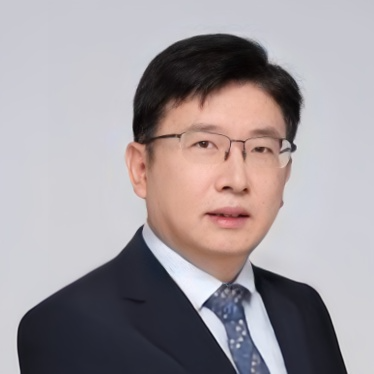
Prof. Jinsong Bian is Chair Professor and Director of the Department of Pharmacology at the School of Medicine, Southern University of Science and Technology, and President of the Asian Society for Vascular Biology (ASVB). He is a recipient of the Outstanding Research Achievement Award from the National University of Singapore and has been consistently ranked among the top 2% of scientists worldwide by both annual and lifetime impact metrics. He has also appeared on the lists of Elsevier Highly Cited Chinese Scholars and Global Highly Influential Scholars for five consecutive years.
Prof. Bian's research focuses on signaling pathways in pulmonary hypertension within cardiovascular diseases. He has published over 160 papers in high-impact journals, including Circulation, Immunity, and Circulation Research, with more than 15,000 citations (H-index ~66). He serves on the Editorial Boards of multiple international journals such as Biomolecules and Antioxidant Redox Signalling and is widely recognized as one of Asia's leading figures in molecular pharmacology, vascular signaling, and translational therapeutics.
Editor: Ada Chen
Language Editor: Catherine Yang
Production Editor: Ting Xu
Respectfully submitted by the Editorial Office of Vessel Plus