Interview with Professor Robert S. Rosenson: Advancing the Future of Inherited Lipid Disorder Management
On June 5, 2026, RDODJ had the opportunity to interview Professor Robert S. Rosenson, Professor of Medicine at the Icahn School of Medicine at Mount Sinai and an internationally recognized expert in lipid metabolism, dyslipidemia, and cardiovascular prevention. During the conversation, Professor Rosenson shared his perspectives on the challenges of diagnosing inherited lipid disorders, the evolving roles of PCSK9 and ANGPTL3-targeted therapies, the promise of gene editing, and the future direction of cardiovascular translational research.
Here are following questions discussed with Prof. Rosenson:
1. In clinical practice, inherited lipid disorders such as familial hypercholesterolemia remain frequently underdiagnosed or diagnosed with significant delay. What do you consider to be the most important systemic barriers in current screening and diagnostic pathways? How can strategies for earlier identification be further improved?
2. In your view, which pathway is likely to play a more important role in the future treatment landscape of dyslipidemia - the PCSK9 or the ANGPTL3 pathway? In addition, while PCSK9 inhibitors have been widely adopted in clinical practice, do you see any emerging concerns regarding their long-term safety or potential off-target effects in real-world use?
3. With emerging therapies targeting the ANGPTL3 pathway, such as evinacumab and Zodasiran, we are seeing substantial improvements in severe phenotypes, including homozygous familial hypercholesterolemia. How do you interpret the mechanistic implications of these therapies? Do they challenge the traditional view of certain rare lipid disorders as essentially "untreatable"? (DOI: 10.1016/S2213-8587(25)00290-6)
4. Your recent work, "Base editing milestone for familial hypercholesterolemia," highlights a potential breakthrough for the application of gene editing in this condition. How do you assess the feasibility of translating this approach into clinical practice? What are currently the most critical challenges in terms of safety, long-term durability, and ethical considerations? (DOI: 10.1038/s41591-026-04220-0)
5. Research into monogenic lipid disorders such as familial hypercholesterolemia continues to uncover key pathways involved in atherosclerosis. How do you view the value of rare disease research in informing our understanding of more common forms of cardiovascular disease, particularly in terms of mechanistic translation?
6. For young researchers entering the fields of lipid metabolism, inherited dyslipidemias, or cardiovascular translational medicine, what would be your most important advice? In today's highly interdisciplinary landscape - spanning AI, gene therapy, and RNA-based therapeutics - how should early-career scientists choose their research directions to maximize both long-term impact and innovation?
As the fields of lipidology and cardiovascular medicine continue to evolve, the convergence of targeted therapeutics, RNA-based medicines, and gene-editing technologies is creating unprecedented opportunities for patients with inherited lipid disorders.
Professor Rosenson's insights highlight a broader trend within modern medicine: diseases once considered difficult - or even impossible - to treat are increasingly becoming amenable to precise, mechanism-based interventions. As scientific understanding deepens, these advances are expected not only to improve outcomes for patients with rare genetic disorders but also to accelerate progress across the entire spectrum of cardiovascular disease.
About the Interviewee:
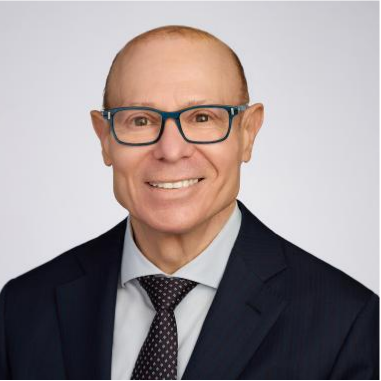
Robert S. Rosenson, MD, is the Dr. Rony Shimony Distinguished Professor of Cardiovascular Medicine at the Icahn School of Medicine at Mount Sinai and System Director of Metabolism and Lipids for the Mount Sinai Health System. Dr. Rosenson is a Fellow of the American College of Cardiology (FACC), American College of Physicians (FACP), American Heart Association (FAHA) Council on Arteriosclerosis, Thrombosis, and Vascular Biology, AHA Council on Epidemiology and Prevention, European Society of Cardiology (FESC), and National Lipid Association (FNLA). As of January 2026, Dr. Rosenson has authored 500 peer-review journal articles and over 1,000 book chapters, abstracts, and electronic publications for UpToDate Medicine. In 2024, he was recognized by Clarivate as a Highly Cited Researcher, an accomplishment achieved by only 0.1% of researchers globally.
Editor: Haidi Ding
Language Editor: Amir Khan
Production Editor: Ting Xu
Respectfully Submitted by the Editorial Office of Rare Disease and Orphan Drugs Journal