


Special Interview with Prof. Hugues Chabriat
On June 27, 2026, the Editorial Office of Journal of Translational Genetics and Genomics interviewed Prof. Hugues Chabriat, Professor of Neurology and Head of the Neurology Department, University of Paris and Lariboisière Hospital, Paris, France.
In his interview, Prof. Chabriat described how research on CADASIL has reshaped the understanding of hereditary cerebral small vessel disease. Although CADASIL was initially considered an extremely rare disorder, pathogenic NOTCH3mutations are now known to be much more common in the general population than previously thought. He explained that disease development appears to depend not only on carrying a mutation but also on the degree of NOTCH3 protein accumulation within the vessel wall, with additional vascular risk factors such as hypertension and diabetes potentially contributing to disease manifestation in some individuals. These findings have broadened the significance of CADASIL research, positioning NOTCH3 mutations as a potential vascular risk factor in certain populations while providing new insights into the mechanisms underlying cerebral small vessel disease.
Looking ahead, Prof. Chabriat identified several key challenges for the field. He emphasized that reducing pathological NOTCH3 protein accumulation remains the primary therapeutic objective, with antisense oligonucleotide (ASO) therapy representing a promising potential approach. He also highlighted the importance of determining the optimal timing for intervention and selecting the most appropriate patients for future clinical trials, noting that treatment may be less effective once irreversible vascular damage has developed. In addition, he stressed the need for reliable outcome measures, including MRI-based and functional assessments, to better monitor disease progression and evaluate treatment efficacy in future studies.
Watch the full interview with Prof. Hugues Chabriat:
Interview Questions:
Q1. As a paradigmatic genetic small vessel disease, what key insights does CADASIL research offer for clinical diagnosis and treatment?
Q2. In your talk today, what latest advances or unresolved challenges of CADASIL will you highlight?
About the Interviewee:
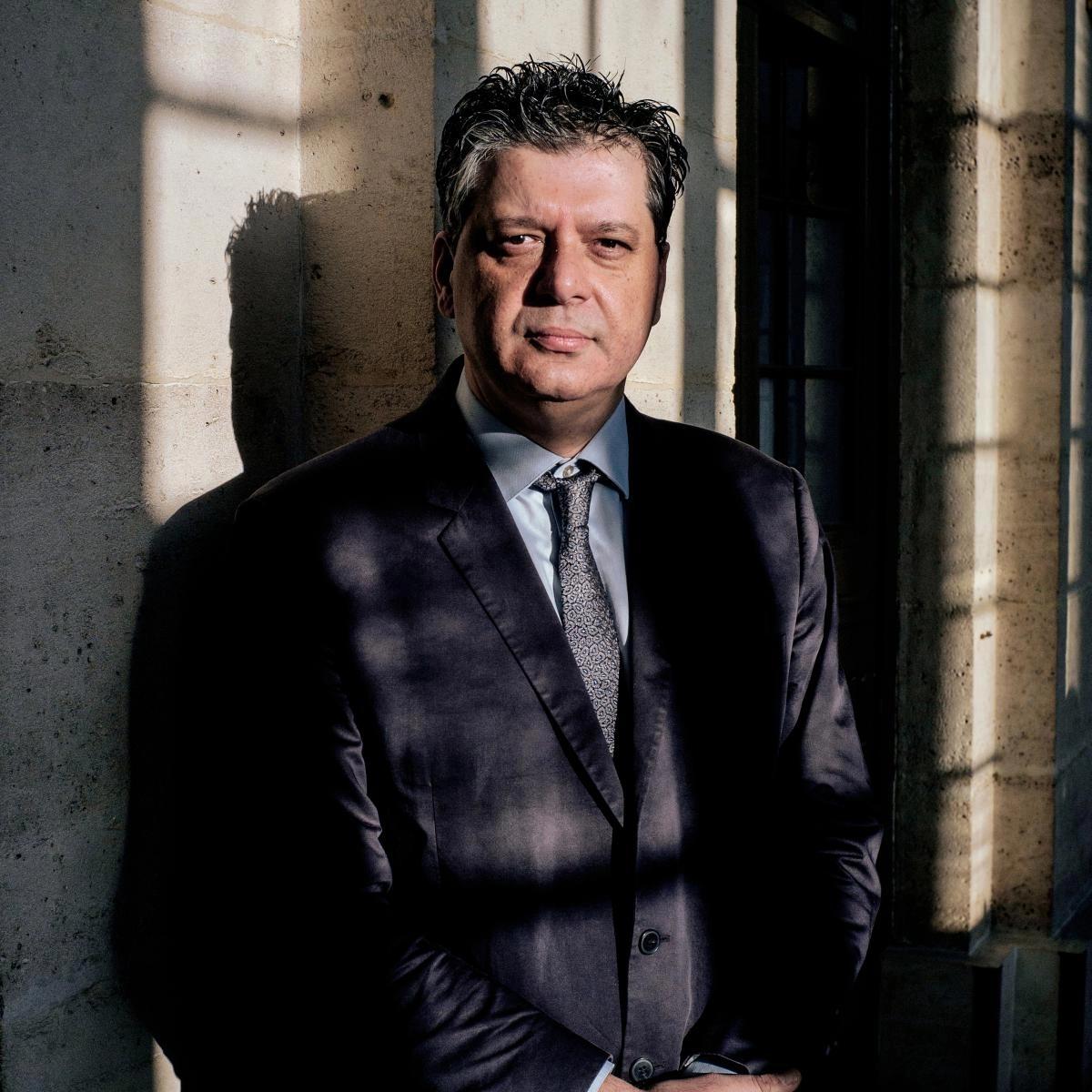
Prof. Chabriat is a leading neurologist who has long been dedicated to research on cerebrovascular diseases, particularly cerebral small vessel disease and hereditary cerebral vascular disorders. He has made pioneering contributions to the understanding, diagnosis, imaging standardization, and clinical management of monogenic cerebral small vessel diseases, playing a key role in advancing international consensus guidelines and translational research in vascular neurology.
Prof. Chabriat’s research has been instrumental in advancing the understanding of the clinical, imaging, and pathophysiological mechanisms of CADASIL and related neurovascular disorders. He pioneered the use of diffusion tensor imaging to characterize cerebral lesions in CADASIL and has made major contributions to elucidating the relationships between structural brain damage, cognitive impairment, and disability in SVD. His work has also established refined phenotypic characterization of one of the world's largest CADASIL patient cohorts and expanded the application of advanced neuroimaging, including functional MRI, to investigate disease mechanisms and progression in SVD.
Representative Research Achievements
- Neuroimaging standards for research into small vessel disease and its contribution to ageing and neurodegeneration
- Diffusion Tensor Imaging: Concepts and Applications
- Notch3 Mutations in CADASIL, a Hereditary Adult-Onset Condition Causing Stroke and Dementia
- Clinical Spectrum of CADASIL: A Study of 7 Families
- Strong Clustering and Stereotyped Nature of Notch3 Mutations in CADASIL Patients
- Cerebral Autosomal Dominant Arteriopathy with Subcortical Infarcts and Leukoencephalopathy Maps to Chromosome 19q12
- Association of Gait and Balance Disorders with Age-Related White Matter Changes: The LADIS Study
- Changes in White Matter as Determinant of Global Functional Decline in Older Independent Outpatients: Three-Year Follow-Up of LADIS Study Cohort
- A Gene for Familial Hemiplegic Migraine Maps to Chromosome 19
- Epidemiology, Pathophysiology, Diagnosis, and Management of Intracranial Artery Dissection
- Penumbral Imaging and Functional Outcome in Patients with Anterior Circulation Ischaemic Stroke Treated with Endovascular Thrombectomy versus Medical Therapy: A Meta-analysis of Individual Patient-Level DataAwarded Chancellor’s Medal for distinguished scholarship
- Patterns of MRI Lesions in CADASIL
Editor: Iris Yang
Language Editor: Catherine Yang
Production Editor: Xingyue Luo
Respectfully Submitted by the Editorial Office of Journal of Translational Genetics and Genomics