
Autophagy Networks and Neurodegeneration: Insights from Prof. David C. Rubinsztein on Organelle-Level Cellular Control
On April 12-13, 2026, during the Element Science Global Summit 2026 held at the First Hospital of Jilin University, Changchun, China, the Element Editorial Office conducted a special interview with Prof. David C. Rubinsztein (Cambridge Institute for Medical Research, Cambridge Biomedical Campus, UK). Prof. Rubinsztein is a Fellow of the Royal Society, Fellow of the Academy of Medical Sciences, Member of Academia Europaea, and Associate Editor of Element.
This interview explored emerging directions in neurodegeneration research, including autophagy–lysosome networks, protein aggregation toxicity, organelle communication, and therapeutic strategies for modulating cellular clearance systems. Prof. Rubinsztein discussed how autophagy is increasingly viewed as a modular and interconnected network rather than a linear signaling pathway, and how this framework reshapes our understanding of diseases such as Huntington's and Parkinson's disease. He also highlighted key regulatory nodes such as TFEB and BIN1, and emphasized the translational challenges of safely targeting autophagy in clinical settings.
Interview Questions:
Q1: Given your long-standing strategy of enhancing autophagy to treat neurodegenerative diseases, what do you see as the main translational barriers to safely modulating autophagy in patients?
Q2: Your recent work highlights key regulators such as BIN1 and TFEB in autophagy and lysosomal pathways. Do you think autophagy is best understood as a network of coordinated modules rather than linear signaling pathways?
Q3: How do you conceptualize the relationship between autophagy and ferroptosis in neurodegeneration - are they competing cell death programs or interconnected regulatory systems?
Q4: With findings ranging from α-synuclein and tau toxicity to proteasome–autophagy compensation mechanisms, do you think neurodegenerative diseases should be reframed as disorders of organelle network failure?
Q5: As multiple metabolic and lysosomal regulators emerge as drug targets in your work, which strategy do you consider most promising for therapeutic autophagy modulation: upstream signaling control, organelle-specific targeting, or metabolic reprogramming?
About Prof. David C. Rubinsztein:
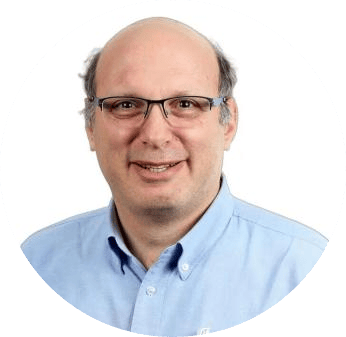
Prof. David C. Rubinsztein (H-index 159) is Professor of Molecular Neurogenetics and a Group Leader at the UK Dementia Research Institute, University of Cambridge, UK. He also serves as Deputy Director of the Cambridge Institute for Medical Research. Prof. Rubinsztein earned his Bachelor of Medicine and Bachelor of Surgery (MB ChB), Bachelor of Science in Medicine (BSc Med), and PhD from the University of Cape Town, South Africa. He joined the University of Cambridge in 1993 as a Senior Registrar in genetic pathology. His research focuses on autophagy, particularly in the context of neurodegenerative diseases. His laboratory pioneered the strategy of autophagy upregulation as a possible therapeutic approach for various neurodegenerative disorders, and has identified drug candidates and molecular pathways that may be exploited for clinical intervention. His work has significantly advanced the understanding of autophagy defects as a disease mechanism and contributed to fundamental discoveries in cell biology. Prof. Rubinsztein has been elected Fellow of the Academy of Medical Sciences (2004), Member of the European Molecular Biology Organization (EMBO, 2011), Fellow of the Royal Society (UK, 2017), and Member of Academia Europaea (2022). He has received numerous honors, including the Graham Bull Prize (2007), the Thudichum Medal (2017), the Roger de Spoelberch Prize (2017), the Goudie Medal (2020), and the Movement Disorders Research Award by the American Academy of Neurology (2024). He has also been consistently recognized as a Clarivate Analytics Highly Cited Researcher (2018-2023).
Managing Editor: Victoria Lee
Production Editor: Ting Xu
Respectfully Submitted by the Editorial Office of Element

