
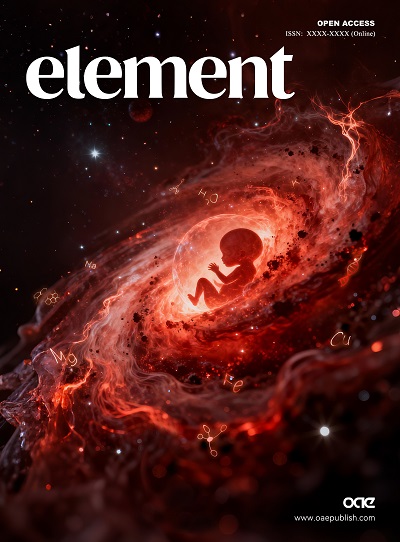
The elemental code of life: James Watson’s legacy - beyond the double helix, into the future of science
As Editor-in-Chief of Element, a journal dedicated to unearthing the elemental foundations of life and bridging molecular science, trace biology, and human health, I pen this editorial to honor James Dewey Watson (1928-2025) [Figure 1] - a transformative figure in modern biology whose work redefined humanity’s understanding of life’s molecular blueprint. His 1953 co-discovery of DNA’s double-helical structure with Francis Crick, enabled by Rosalind Franklin’s crystallographic data and Maurice Wilkins’ contributions[1] [Figure 2A], stands as one of the 20th century’s most pivotal scientific breakthroughs. This discovery uncovered not just a molecular structure, but the elemental logic binding atomic properties to life’s core processes - a cornerstone of Element’s mission to explore how chemical elements orchestrate fundamental natural phenomena far beyond biology[2]. Watson’s passing on November 6, 2025, closes an era of bold scientific inquiry; yet his legacy endures as a guiding force for interdisciplinary research. Media outlets including Nature, The Lancet, and Scientific American have extensively documented his profound impact on biology[3-5]. This tribute - grounded in peer-reviewed element science studies - frames Watson’s scientific legacy through three core dimensions: the elemental architect who laid the groundwork for understanding DNA’s metal cofactor dependence; the ecosystem builder who advanced global scientific collaboration; and the complex trailblazer whose contributions demand nuanced separation from personal shortcomings. In doing so, we uphold strict scientific rigor, honor universal scientific values, and reflect how Watson’s insights continue to inspire progress in element science.
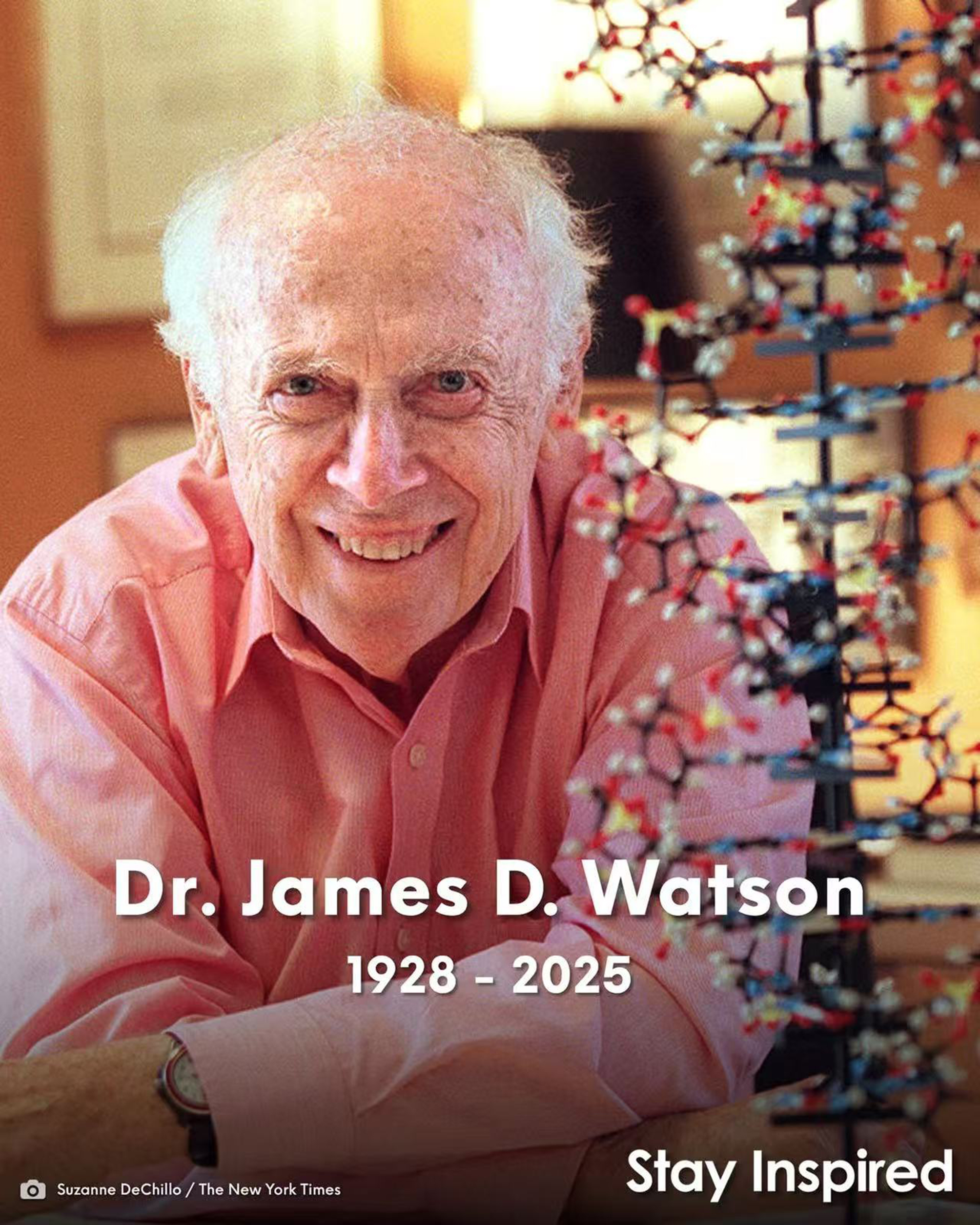
Figure 1. Dr. James Dewey Watson. © Suzanne DeChillo/The New York Times.
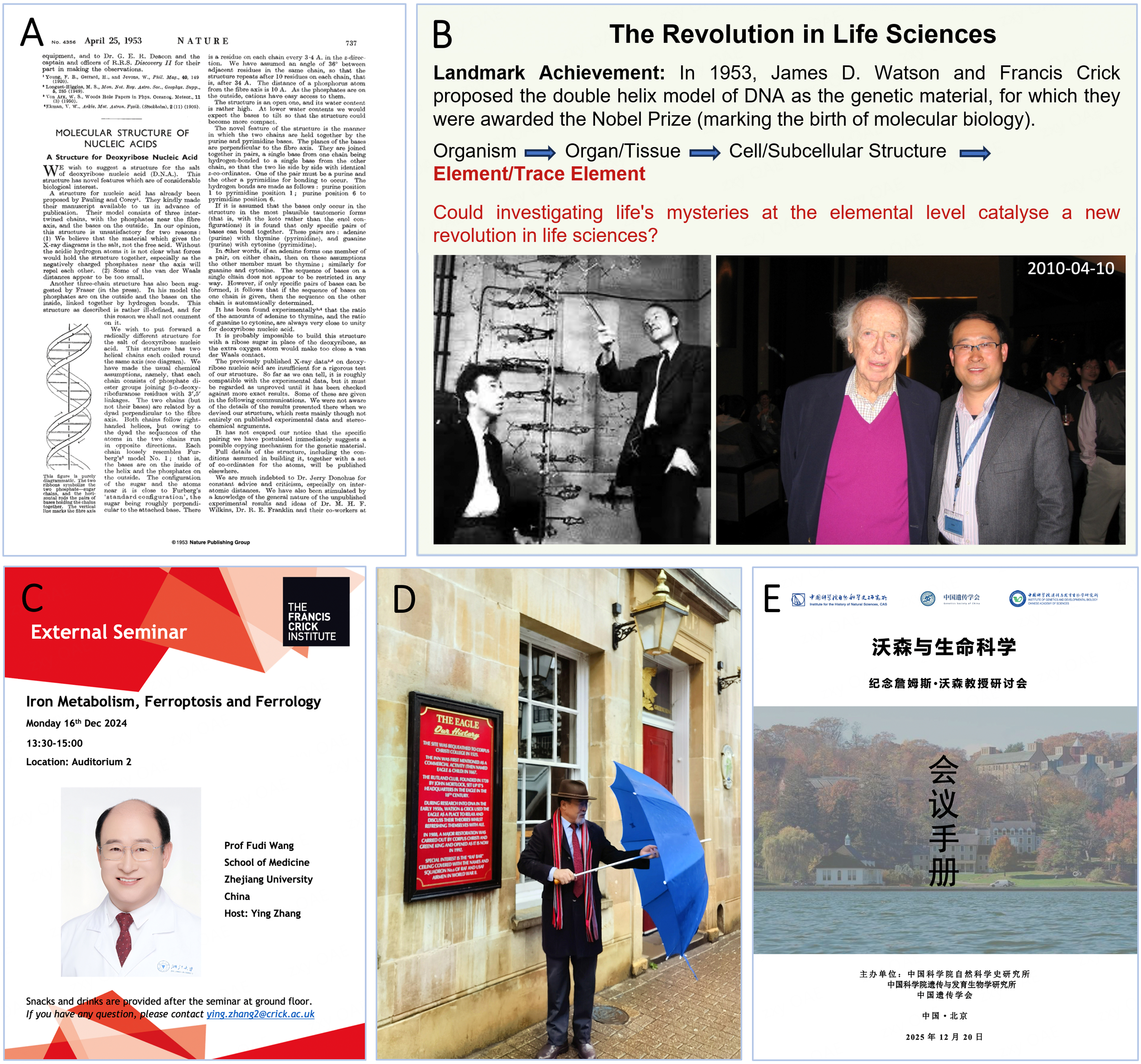
Figure 2. Key milestones of Watson’s scientific legacy and its intersection with element science research.
(A) The historic 1953 Nature paper page where Watson and Crick first described the DNA double helix structure - foundational to element science’s exploration of metal-DNA interactions[1].
(B) A teaching slide from the author’s 2014 graduate course at the University of Chinese Academy of Sciences, integrating the double helix model with key element science concepts (iron, zinc, magnesium functions); the slide features a photo of the author and James Watson taken during their in-depth conversation at the 2010 CSHA conference, capturing a pivotal moment of scientific exchange that inspired subsequent research directions.
(C) Poster for the author’s 2024 invited lecture “Iron Metabolism, Ferroptosis and Ferrology” at The Francis Crick Institute, focusing on elemental mechanisms underlying metabolism and human disease - an extension of Watson’s foundational research into life’s molecular basis.
(D) The author at the entrance of The Eagle Pub in Cambridge in 2023 on a rainy morning - photographed with an umbrella in hand - a symbolic site where Watson and Crick first shared their double helix discovery in 1953, embodying the devotion of a dream chaser to scientific legacy and capturing the personal connection to Watson’s collaborative spirit[1].
(E) Front page of conference handbook for the “Watson and Life Sciences” memorial seminar held in Beijing on December 20, 2025.
THE ELEMENTAL ARCHITECT: DECODING DNA METAL COFACTOR DEPENDENCE
Watson and Crick’s double helix model revolutionized biology by revealing DNA’s structural basis for genetic information storage and transmission[1]. A defining yet underemphasized implication of this model is its implicit reliance on trace metals as functional cofactors - an insight validated by decades of subsequent element science research. Iron, via its inherent redox versatility (Fe2+/Fe3+), drives prebiotic chemical reactions and DNA replication[6,7]; dysregulated iron metabolism triggers ferroptosis[8], a form of regulated cell death elaborated as a central nexus linking metabolism, redox biology, and disease, and expanded to illuminate its mechanistic roles and therapeutic potential in human diseases in recent work[9,10]. Ferroptotic signaling cascades exert far-reaching physiological and pathological impacts across multiple organ systems, emerging as a core regulatory axis in health and disease[11]. Copper contributes to DNA integrity through reactive oxygen species scavenging[12]; its pathological excess induces cuproptosis, a distinct elemental cell death pathway characterized by lipoylated tricarboxylic acid (TCA) cycle protein aggregation[13]. Recent advances in copper biology have elaborated the dual role of copper homeostasis in sustaining physiological function and driving pathological processes, with cuproptosis emerging as a key therapeutic target for multiple human diseases[14]. Zinc is essential for life, including hematopoietic development[15] and immune regulation[16]; it stabilizes zinc finger motifs - the most abundant DNA-binding domains - critical for sequence-specific gene regulation and genome stability[17]. Magnesium binds to the oxygen atoms of DNA’s phosphate backbone, stabilizing the helical structure and supporting the catalytic activity of DNA polymerases critical for accurate DNA replication[18]. Phosphorus forms the phosphodiester linkages of the DNA backbone as phosphate ions, and its ability to form stable ester bonds renders it irreplaceable for nucleic acid structure and genetic information storage[19]. These elemental interactions form an integrated, evolutionarily conserved system sustaining life - an extension of Watson’s foundational work, aligned with the element science paradigm Element champions.
THE ECOSYSTEM BUILDER: FORGING GLOBAL COLLABORATIVE SCIENCE NETWORKS
Watson’s legacy extends beyond scientific discovery to institutional leadership that dismantled disciplinary and geographic barriers[3,4]. As Director of Cold Spring Harbor Laboratory (CSHL), he established cross-disciplinary workshops and mandated early-career scientist participation, fostering an environment where emerging talent could challenge paradigms without hierarchy. A landmark contribution to global science - particularly for Chinese researchers - is the 2008 establishment of Cold Spring Harbor Asia (CSHA) in Suzhou, China. As CSHL’s first overseas branch, CSHA has served as a critical platform for Chinese scientists to present original research on metal-DNA interactions, cell death mechanisms, and life science frontiers to international peers, facilitating knowledge exchange, collaborative projects, and capacity building. This collaborative ethos aligns with Watson’s vision of borderless scientific inquiry, which has deeply shaped the development of element science in China. Watson’s emphasis on linking elemental interactions to human disease has guided research agendas globally, bridging basic science and translational applications to address unmet health needs.
THE ELEMENTAL INHERITANCE: INSPIRING INTERDISCIPLINARY SCIENTIFIC EXPLORERS
Watson’s work inspires researchers worldwide by bridging classical molecular biology and emerging frontiers of element science. In 2014, I used his double helix model as the centerpiece of my graduate course on iron metabolism and life’s elemental essence at the University of Chinese Academy of Sciences. The core teaching slide integrates the double helix structure with key element science concepts - iron’s role in DNA replication, zinc finger-mediated gene regulation, magnesium-dependent helix dynamics - visually embodying the connection between this landmark discovery and modern element research [Figure 2B]. I posed to students: “If Watson unlocked life’s molecular code, what secrets lie in the trace elements powering it?” This question, rooted in Watson’s foundational insights, challenged students to connect DNA structure to elemental function, igniting curiosity that shaped their research trajectories. Many later focused on iron metabolism mechanisms, magnesium transporter dysregulation in genetic diseases, and zinc finger motif evolution - directions directly extending Watson’s legacy into element science.
Beyond Chinese classrooms, Watson’s influence resonates globally. In 2024, I delivered an invited lecture titled “Iron Metabolism, Ferroptosis and Ferrology” at The Francis Crick Institute in London [Figure 2C], a world-leading life science research hub named for the scientist who shared the Nobel Prize with Watson for the DNA double helix discovery. This lecture traced the lineage of that 1953 breakthrough to cutting-edge elemental cell death research, including the broad physiological and pathological implications of ferroptotic signaling and ferrology, and emphasized how the collaborative vision behind the double helix continues to guide investigations into iron-dependent biological processes. A personal testament to Watson’s enduring spirit is a photograph of myself at the entrance of The Eagle Pub in Cambridge in 2023 on a rainy morning [Figure 2D] - the site where the DNA double helix discovery was first shared with the scientific community in 1953[1] - capturing the devotion of a dream chaser to scientific legacy. This moment embodies the intersection of personal scientific journey and collective heritage, a reminder of the courage, collaboration, and curiosity that defined that pioneering work. For researchers worldwide, such symbolic sites inspire a commitment to bold inquiry - upholding the mindset that made the double helix breakthrough possible.
THE COMPLEX TRAILBLAZER: BALANCING SCIENTIFIC LEGACY AND ETHICAL PRINCIPLES
Watson’s legacy is inherently complex, encompassing unparalleled scientific contributions alongside well-documented personal remarks violating core principles of equity, inclusivity, and scientific universalism[3-5]. As noted in posthumous coverage by Nature, The Lancet, and Scientific American, his achievements - pioneering the DNA double helix discovery, leading the early Human Genome Project[3], building institutions advancing global science - have irreversibly shaped modern biology. However, his repeated unsubstantiated claims linking race to intelligence and gender to scientific aptitude stand in direct opposition to scientific universalism, leading to professional consequences including his 2007 resignation from Cold Spring Harbor Laboratory and 2019 revocation of honorary titles[3-4]. For Element and the broader scientific community, this duality demands a rigorous, nuanced approach: we honor Watson’s transformative contributions to molecular biology and element science while firmly rejecting his biased views. Science is universal by nature - iron functions identically in every cell, zinc binds DNA without regard to race, gender, or geography, and element science principles apply equally to all natural phenomena. As stewards of scientific legacy, we uphold the curiosity-driven research ethos of the DNA discovery team while advancing equity, inclusivity, and ethical scientific practice, ensuring progress in element science and beyond is guided by empirical rigor and social justice.
THE ELEMENTAL VISION: CHARTING THE FUTURE PATH OF ELEMENT SCIENCE
Watson’s passing leaves a sacred trust: to advance interdisciplinary inquiry, nurture the next generation of scientists, and uphold universal scientific values. As highlighted in posthumous media coverage, his legacy as a scientific pioneer is widely recognized as “irreplaceable” in shaping the trajectory of modern biology[3,4]. For Element, this commitment translates to three core actions: publishing rigorous hypothesis-driven research integrating DNA biology with elemental function; fostering CSHA-style cross-border collaborations to break down geographic and disciplinary silos; mentoring early-career researchers to pursue intellectually bold and ethically responsible science. We honor Watson’s scientific vision by rejecting biases that undermine science’s inclusivity, ensuring that the field of element science reflects human diversity and addresses global health challenges equitably. The DNA double helix discovery taught us that life’s complexity is rooted in elemental simplicity; our responsibility is to build on this insight with humility, rigor, and an unwavering commitment to science as a force for good.
BEYOND THE HELIX: THE ELEMENTAL FUTURE OF SCIENCE
James Dewey Watson’s most enduring contribution to Element and the global scientific community is his revelation that molecular structure and elemental function are inseparable[1]. The double helix model he co-developed laid the groundwork for understanding how iron, copper, zinc, magnesium, phosphorus, and other elements converge to sustain life - from planetary evolution to disease pathogenesis, and metabolic regulation through pathways centered on ferroptotic signaling. Today, his legacy lives on in iron-dependent DNA helicases, zinc finger transcription factors, copper-mediated metabolic pathways, and the global network of researchers advancing element science. It lives in Element’s pages[2], in collaborative institutions, in teaching slides bridging past and future, and in personal connections to scientific history captured in moments like my visit to The Eagle Pub in Cambridge. The double helix is not an endpoint, but a starting line: the elemental future of science - built on rigor, collaboration, and equity - is ours to shape.
Chinese scientists commemorate Watson’s extraordinary contributions through diverse initiatives, such as the “Watson and Life Sciences” memorial seminar co-hosted by the Institute for the History of Natural Sciences of Chinese Academy of Sciences (CAS), Institute of Genetics and Developmental Biology (CAS), and Genetics Society of China on December 20, 2025, in Beijing, China [Figure 2E]. Nearly 100 renowned scholars, including Xiaoliang Xie, Huanming Yang, Weicai Yang, and Maoye Ji, gathered to honor his legacy through academic reports, personal recollections, and interdisciplinary discussions.
In reflecting on Watson’s lifelong fascination with life’s chemical roots, I am reminded of a quiet conversation we shared in 2010, a sentiment that has guided my work in element science and inspired my dedication to nurturing the next generation of scientific explorers: “Iron blazed through the cosmos long before DNA ever wove life’s code. The helix is life’s masterpiece - but iron? That’s the spark.” This was no casual quip, but a distillation of a lifetime of scientific inquiry, a profound reminder that for all the elegance of the double helix uncovered in 1953, the elements are the very foundation of life itself. While Watson’s personal flaws serve as a critical reminder of the need for ethical accountability in science, his scientific vision remains a guiding light - one that will continue to illuminate the path for young scientists to pursue the truth of life’s elemental origins, challenge paradigms, and carry forward the torch of bold, rigorous scientific inquiry for generations to come.
As Maoye Ji, co-founder and CEO of CSHA, noted: “A beautifully crafted tribute, written with expert insight, elegantly connects the Watson-Crick DNA double helix with the author’s passionate field of research on the role of elements in fundamental biology. In particular, the author highlights Watson’s exceptional strategic vision for international scientific collaboration and his deep appreciation of the indispensable value of high-quality peer interaction among scientists. This vision is exemplified by the timely establishment of CSHA in Suzhou, China - an initiative strongly supported by Watson nearly two decades ago. With the benefit of historical perspective, Watson’s endorsement of CSHA stands out even more clearly as a testament to his remarkable leadership. Not only has the Chinese scientific community benefited tremendously from CSHA, but the entire Asia-Pacific scientific community has been profoundly enriched by this platform envisioned.”
DECLARATIONS
Acknowledgements
I extend profound gratitude to the global scientific community for its unwavering commitment to advancing element science and upholding universal values of rigorous, inclusive research. I thank the institutions and colleagues who have supported interdisciplinary collaboration and the cultivation of scientific trailblazers, and honor the legacy of visionaries whose work has shaped our understanding of life’s elemental foundations. I am particularly grateful to Maoye Ji, co-founder and CEO of Cold Spring Harbor Asia, for his generous and insightful positive comments on this tribute - his affirmation reinforces the significance of bridging Watson’s scientific legacy with the frontier of element science, and deeply inspires our ongoing commitment to interdisciplinary inquiry and global scientific collaboration.
Authors’ contributions
The author contributed solely to the article.
Availability of data and materials
Not applicable.
Financial support and sponsorship
None.
Conflicts of interest
Wang, F. is the Editor-in-Chief of the journal Element. Wang, F. was not involved in any steps of the editorial process, notably including reviewers’ selection, manuscript handling or decision making.
Ethical approval and consent to participate
Not applicable.
Consent for publication
Not applicable.
Copyright
© The Author(s) 2025.
REFERENCES
1. Watson, J. D.; Crick, F. H. C. Molecular structure of nucleic acids: a structure for deoxyribose nucleic acid. Nature 171, 737-8 (1953).
2. Wang, F. Element as a mirror - revealing science’s essence and distant horizons. Element 1, 1 (2025).
3. Ferry, G. James D. Watson. Lancet 406, 2416 (2025). https://www.thelancet.com/journals/lancet/article/PIIS0140-6736(25)02330-X/fulltext. (accessed 2025-12-25).
4. Ledford, H.; Lenharo, M.; Maher, B.; Watson, T. DNA pioneer James Watson has died - colleagues wrestle with his legacy. Nature 647, 563-4 (2025).
5. Ewalt, D. M. James Watson, who helped discover the structure of DNA, is dead at age 97. Scientific American (New York, NY, USA). November 7, 2025. https://www.scientificamerican.com/article/james-watson-co-discoverer-of-dna-dead-at-97/. (accessed 2025-12-25).
6. Wade, J.; Byrne, D. J.; Ballentine, C. J.; Drakesmith, H. Temporal variation of planetary iron as a driver of evolution. Proc. Natl. Acad. Sci. U. S. A. 118, e2109865118 (2021).
7. Martin, W.; Russell, M. J. On the origins of cells: a hypothesis for the evolutionary transitions from abiotic geochemistry to chemoautotrophic prokaryotes, and from prokaryotes to nucleated cells. Philos. Trans. R. Soc. Lond. B Biol. Sci. 358, 59-85 (2003).
8. Dixon, S. J. et al. Ferroptosis: an iron-dependent form of nonapoptotic cell death. Cell 149, 1060-72 (2012).
9. Galy, B.; Conrad, M.; Muckenthaler, M. Mechanisms controlling cellular and systemic iron homeostasis. Nat. Rev. Mol. Cell Biol. 25 ,133-55 (2024).
10. Ru, Q.; Li, Y.; Chen, L.; Wu, Y.; Min, J.; Wang, F. Iron homeostasis and ferroptosis in human diseases: mechanisms and therapeutic prospects. Signal Transduct. Target. Ther. 9, 271 (2024).
11. Wang, X. et al. Adipocyte-derived ferroptotic signaling mitigates obesity. Cell Metab. 37, 673-91.e7 (2025).
13. Tsvetkov, P. et al. Copper induces cell death by targeting lipoylated TCA cycle proteins. Science 375, 1254-61 (2022).
14. Chen, L.; Min, J.; Wang, F. Copper homeostasis and cuproptosis in health and disease. Signal Transduct. Target. Ther. 7, 378 (2022).
16. Sun, S. et al. The intestinal transporter SLC30A1 plays a critical role in regulating systemic zinc homeostasis. Adv. Sci. 11, e2406421 (2024).
17. Pavletich, N. P.; Pabo, C. O. Zinc finger-DNA recognition: crystal structure of a Zif268-DNA complex at 2.1 Å. Science 252, 809-17 (1991).
18. Roy, A.; Cisneros, G. A. Comparison of magnesium and manganese ions on the structural and catalytic properties of human DNA polymerase gamma. J. Chem. Theory Comput. 21, 9094-106 (2025).
Cite This Article
 Open Access
How to Cite
Download Citation
Export Citation File:
Type of Import
Tips on Downloading Citation
Citation Manager File Format
Type of Import
Direct Import: When the Direct Import option is selected (the default state), a dialogue box will give you the option to Save or Open the downloaded citation data. Choosing Open will either launch your citation manager or give you a choice of applications with which to use the metadata. The Save option saves the file locally for later use.
Indirect Import: When the Indirect Import option is selected, the metadata is displayed and may be copied and pasted as needed.
Article Notes
About This Article
Copyright


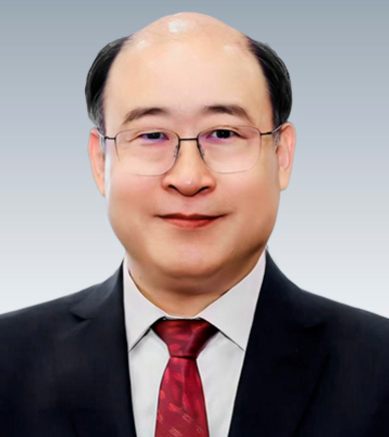
His academic pursuits have been deeply shaped by repeated interactions with James D. Watson, whose bold scientific vision and unwavering innovative spirit inspired his focused exploration of element science. Beyond their in-depth 2010 dialogue at Cold Spring Harbor Asia, Watson’s profound observation—“Iron blazed through the cosmos long before DNA ever wove life’s code. The helix is life’s masterpiece—but iron? That’s the spark”—resonated deeply. Paired with Watson’s encouragement to “transcend disciplinary boundaries to unravel metal-DNA, metal-RNA, metal-protein, and metal-signaling pathway crosstalk,” this insight guided his decades-long commitment to unlocking the elemental foundations of life.
Fueled by this inspiration, Dr. Wang and his team deepened the mechanistic understanding of iron metabolism and ferroptosis, established “ferrology” (iron science), “cuprology” (copper science), and “zincology” (zinc science) as systematic research fields, and uncovered critical links between metal homeostasis dysregulation and metabolic, cardiac, hepatic, and neurodevelopmental diseases. Upholding Watson’s vision of collaborative, borderless science, he champions cross-border academic exchange—chairing the Harvard Medical School Chinese Alumni Forum since 2015 and serving as Executive Vice President of the American Chinese Experts Association—to foster global knowledge sharing. Rooted in the ethos of “science for humanity,” his work translates elemental insights into tangible clinical solutions, honoring Watson’s legacy through rigorous, curiosity-driven inquiry.
As Editor-in-Chief of MD, PhD, is a globally recognized expert in metal metabolism and ferroptosis, serving as Qiushi Distinguished Professor at Zhejiang University School of Medicine, Editor-in-Chief of Element, and Advisory Board Member for Cell Metabolism. With over 240 peer-reviewed publications (25,000+ citations), consistent recognition as an Elsevier Highly Cited Researcher, and multiple national and international academic honors, he has devoted his career to advancing human health through basic and translational research in biometal homeostasis, ferroptosis, and nutrition metabolism—while contributing to academic education as a former university president and vice president across institutions.
His academic pursuits have been deeply shaped by repeated interactions with James D. Watson, whose bold scientific vision and unwavering innovative spirit inspired his focused exploration of element science. Beyond their in-depth 2010 dialogue at Cold Spring Harbor Asia, Watson’s profound observation—“Iron blazed through the cosmos long before DNA ever wove life’s code. The helix is life’s masterpiece—but iron? That’s the spark”—resonated deeply. Paired with Watson’s encouragement to “transcend disciplinary boundaries to unravel metal-DNA, metal-RNA, metal-protein, and metal-signaling pathway crosstalk,” this insight guided his decades-long commitment to unlocking the elemental foundations of life.
Fueled by this inspiration, Dr. Wang and his team deepened the mechanistic understanding of iron metabolism and ferroptosis, established “ferrology” (iron science), “cuprology” (copper science), and “zincology” (zinc science) as systematic research fields, and uncovered critical links between metal homeostasis dysregulation and metabolic, cardiac, hepatic, and neurodevelopmental diseases. Upholding Watson’s vision of collaborative, borderless science, he champions cross-border academic exchange—chairing the Harvard Medical School Chinese Alumni Forum since 2015 and serving as Executive Vice President of the American Chinese Experts Association—to foster global knowledge sharing. Rooted in the ethos of “science for humanity,” his work translates elemental insights into tangible clinical solutions, honoring Watson’s legacy through rigorous, curiosity-driven inquiry.
As Editor-in-Chief of Element, he steers the journal to stand as a premier interdisciplinary platform for element science—uniting global scholars, catalyzing innovative research, and leading the field toward addressing pressing health and scientific challenges. It is an apt tribute to Watson’s enduring legacy of boundary-breaking exploration and interdisciplinary vision., he steers the journal to stand as a premier interdisciplinary platform for element science—uniting global scholars, catalyzing innovative research, and leading the field toward addressing pressing health and scientific challenges. It is an apt tribute to Watson’s enduring legacy of boundary-breaking exploration and interdisciplinary vision.
Data & Comments
Data
 0
0







Comments
Comments must be written in English. Spam, offensive content, impersonation, and private information will not be permitted. If any comment is reported and identified as inappropriate content by OAE staff, the comment will be removed without notice. If you have any queries or need any help, please contact us at [email protected].