

CO2 shuttling in organic synthesis
 0
0 
INTRODUCTION
Carboxylic acids are prevalent functional groups found in numerous biologically active molecules and natural compounds[1,2]. Beyond their significance in bioactive compounds, carboxylic acids also serve as valuable synthetic linchpins in organic chemistry, providing functional handles for a wide range of useful transformations[3,4]. Compared to traditional synthetic methods for carboxylic acid formation[5-7], the use of CO2 as a carboxyl source has attracted considerable interest due to its low toxicity, affordability, and renewability[8,9]. Many strategies for converting CO2 into carboxylic acids rely on excess CO2 gas or high-pressure conditions to drive the reaction forward[10,11]. Additionally, the high thermodynamic stability and low reactivity of CO2 often necessitate sensitive organometallic reagents (e.g., organolithium and Grignard reagents) or other preactivated substrates to form C–CO2H bonds[12,13]. However, as carboxylic acid derivatives become increasingly complex for applications in materials science, biomedicine, and drug discovery[14], new synthetic routes must be developed to minimize both the length and cost of synthesis.
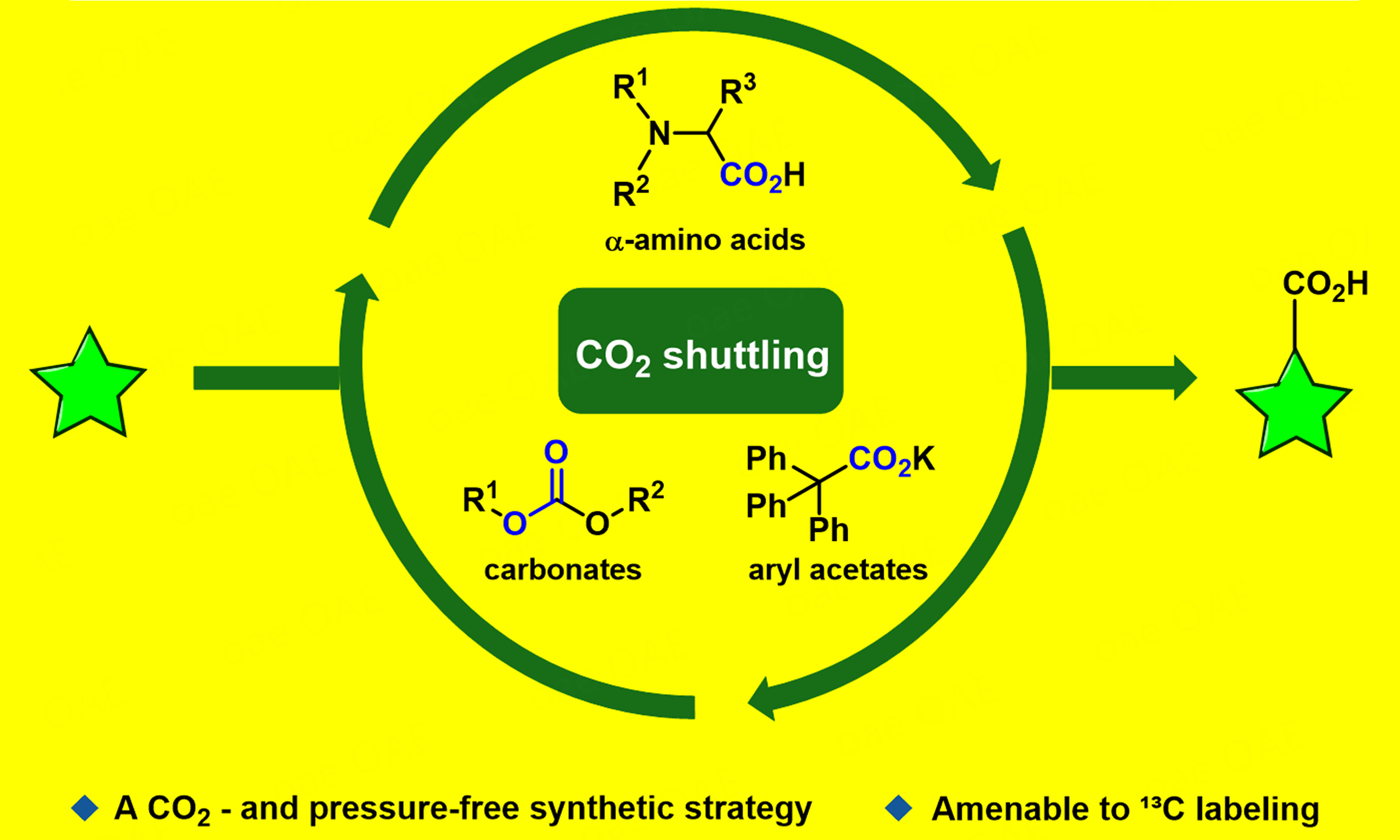
Recently, the ready availability of carboxylic acids has led to the development of decarboxylative coupling reactions, in which carboxylic acids function as user-friendly cross-coupling partners[15]. In these reactions, the released CO2 is typically considered as a waste. Catalytic reversible transfer reactions, such as alkene metathesis[16,17] and transfer hydrogenation[18,19], are key transformations in modern organic chemistry. Building on these foundational techniques, researchers have developed shuttle catalysis processes that transfer functional groups between donor and acceptor molecules[20]. In this context, CO2 shuttling, where CO2 is transferred from a readily available carboxylic acid or its derivative to an acceptor molecule, has emerged as a promising method for generating new molecules. Several CO2 shuttling systems have recently been reported, utilizing carboxylic acids (R1CO2H) or their derivatives (R1CO2R2) as CO2 donors instead of excess CO2 gas [Figure 1][21-35].
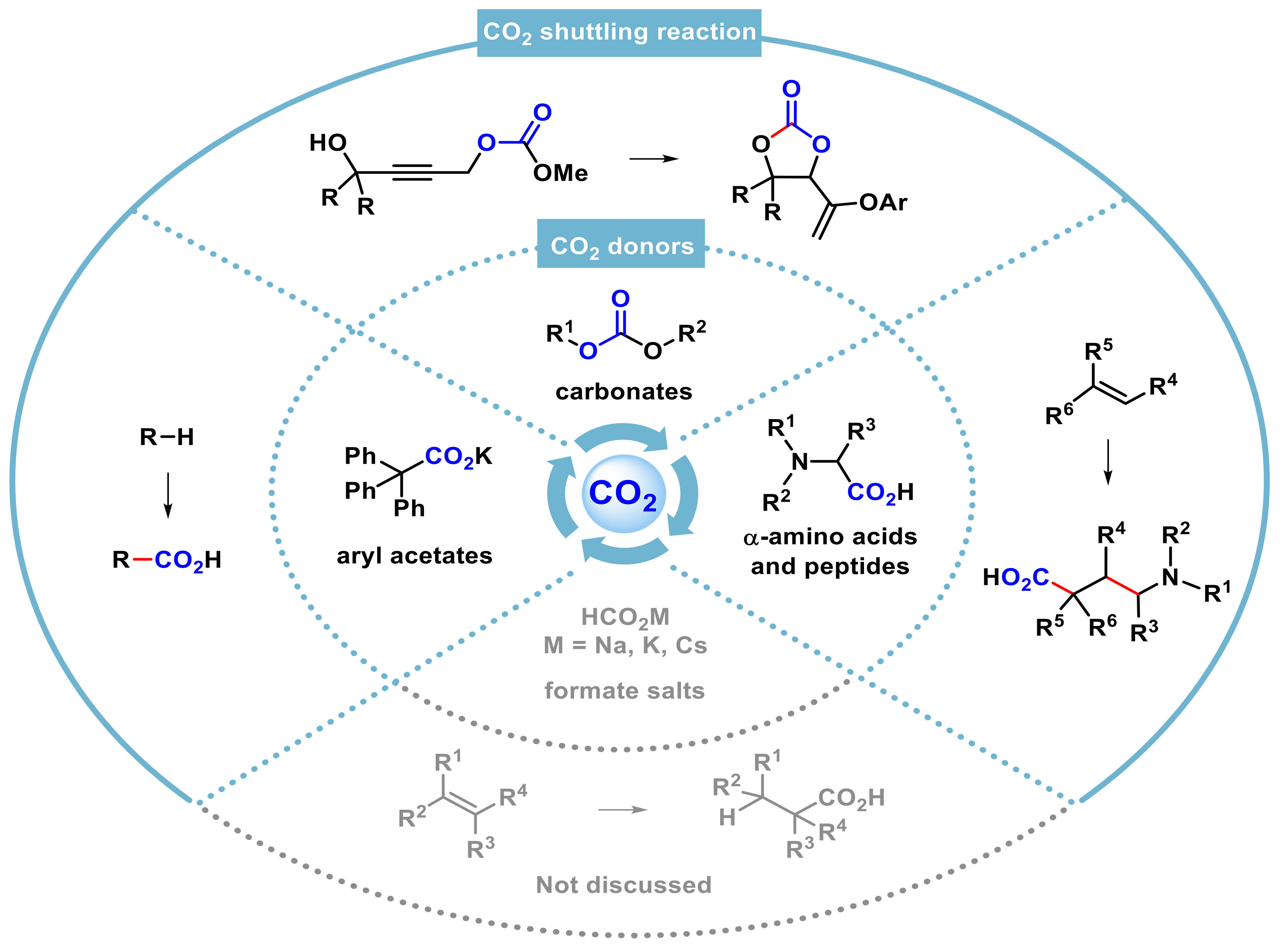
Figure 1. CO2 shuttling reactions.
Notably, formate salts (R1CO2M, R1 = H; M = Na, K, Cs) have recently gained prominence in organic chemistry as CO2•- sources for accessing valuable carboxylic acids. For example, Hendy et al. and
This Perspective summarizes recent advances in CO2 shuttling that exploit carboxylic acids and their derivatives (R1CO2R2, R1 ≠ H) as potential CO2 donors, including carbonates, α-amino acids (α-AAs), and organic carboxylates. We also explore potential future developments in CO2 shuttling strategies.
RECENT ADVANCES
Carbonates (e.g., OCO2Me or OCO2tBu) are among the most commonly used leaving groups in substitution reactions, where their cleavage releases CO2 gas while simultaneously generating an alkoxide anion[24-31]. Efficient re-fixation of the resulting CO2 into organic molecules aligns with the principle of carbon economy, making the development of such methods highly desirable. In 2001, Yoshida et al. introduced the concept of CO2 recycling to develop a novel approach for synthesizing cyclic carbonates. As shown in Figure 2, their proposed mechanism involved sequential CO2 elimination and fixation. In this process, a palladium catalyst promoted the decarboxylation of a propargylic carbonate, generating allenylpalladium methoxide intermediate (Int-1) and CO2. Deprotonated phenols then underwent nucleophilic attack on Int-1, forming the π-allylpalladium complex (Int-3), which subsequently re-fixed CO2 to yield carbonate species Int-4. Cyclization of this intermediate produced aryloxy-substituted cyclic carbonates[24]. This is the first reported example of efficient CO2 re-fixation from carbonate decarboxylation reactions. Since then, numerous reactions based on the CO2 elimination-fixation process have been developed, enabling the synthesis of chiral cyclic carbonates, vinyl-substituted cyclic carbonates, 1,3-dienyl-substituted cyclic carbonates, oxazolidinones, allenic oxazolidin-2-ones, and branched allyl carbamates [Figure 3][25-30].
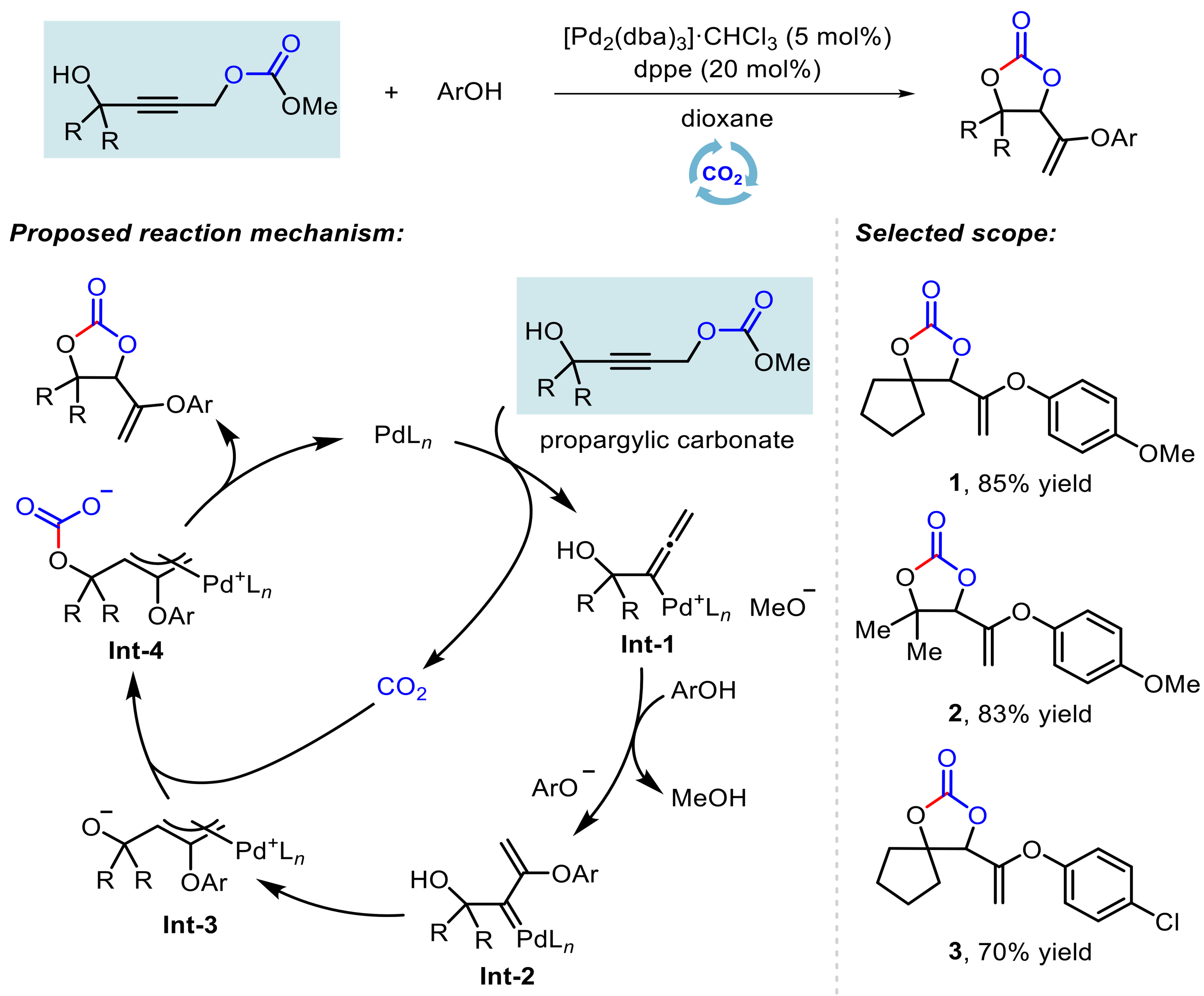
Figure 2. Cyclic carbonates synthesis using propargylic carbonates via CO2 shuttling.
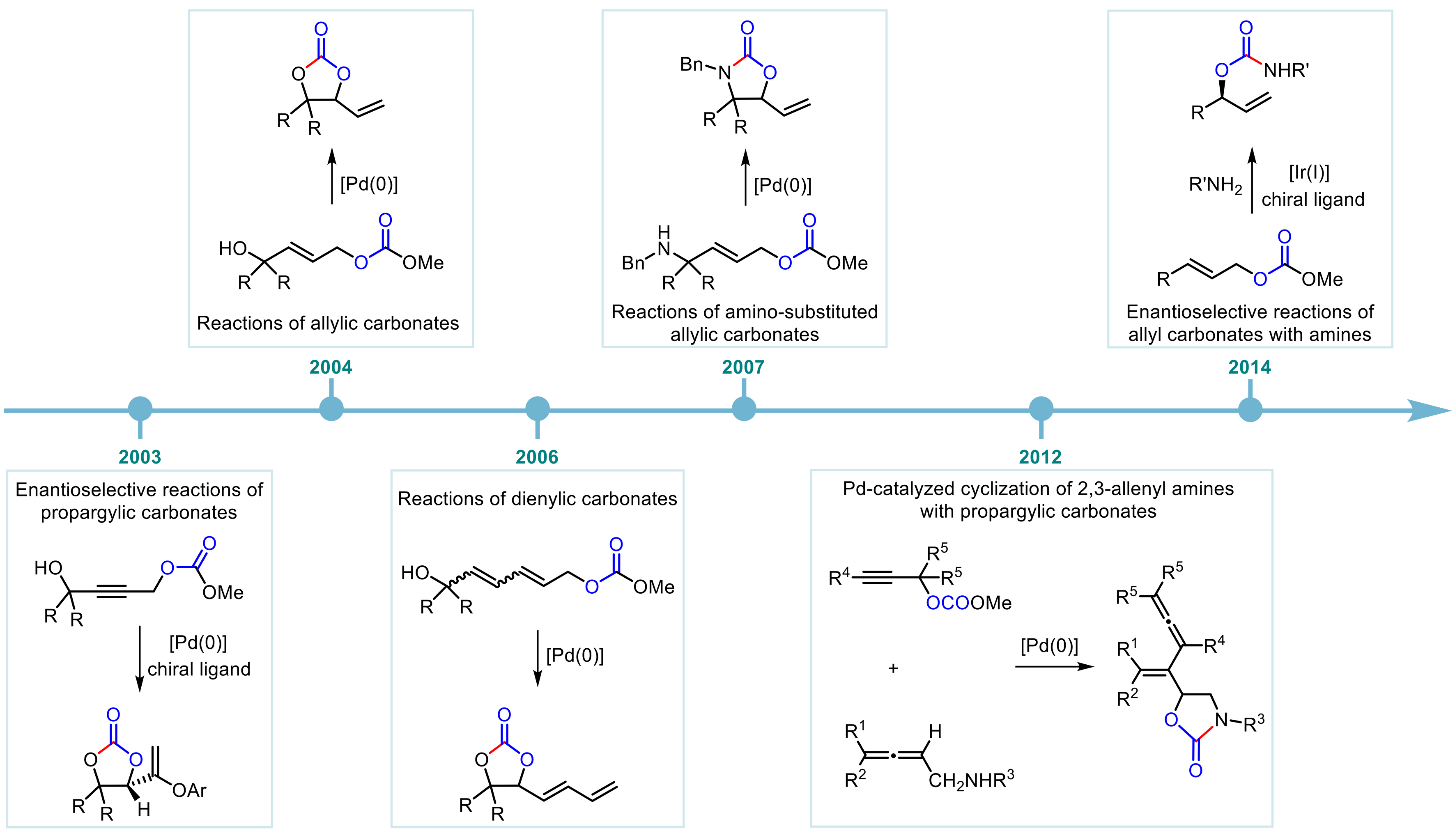
Figure 3. Other works involving CO2 elimination-fixation of carbonates.
In 2024, Li et al. introduced Cu-catalyzed stereoselective propargylation and alkynylallylic substitution strategies that integrate CO2 shuttling and fixation. In these reactions, a variety of alkynyl carbonates underwent decarboxylation and then asymmetric propargylation or alkynylallylic substitution with primary amines in sequence. The resulting propargyl amines then captured CO2 released from decarboxylation. Experimental and computational mechanistic studies indicated that the reaction proceeded via a CO2 shuttling pathway as depicted in Figure 4. Additionally, DABCO was proposed to facilitate the capture of low-concentration CO2, while the cyclization process likely involved a rate-limiting step[31].
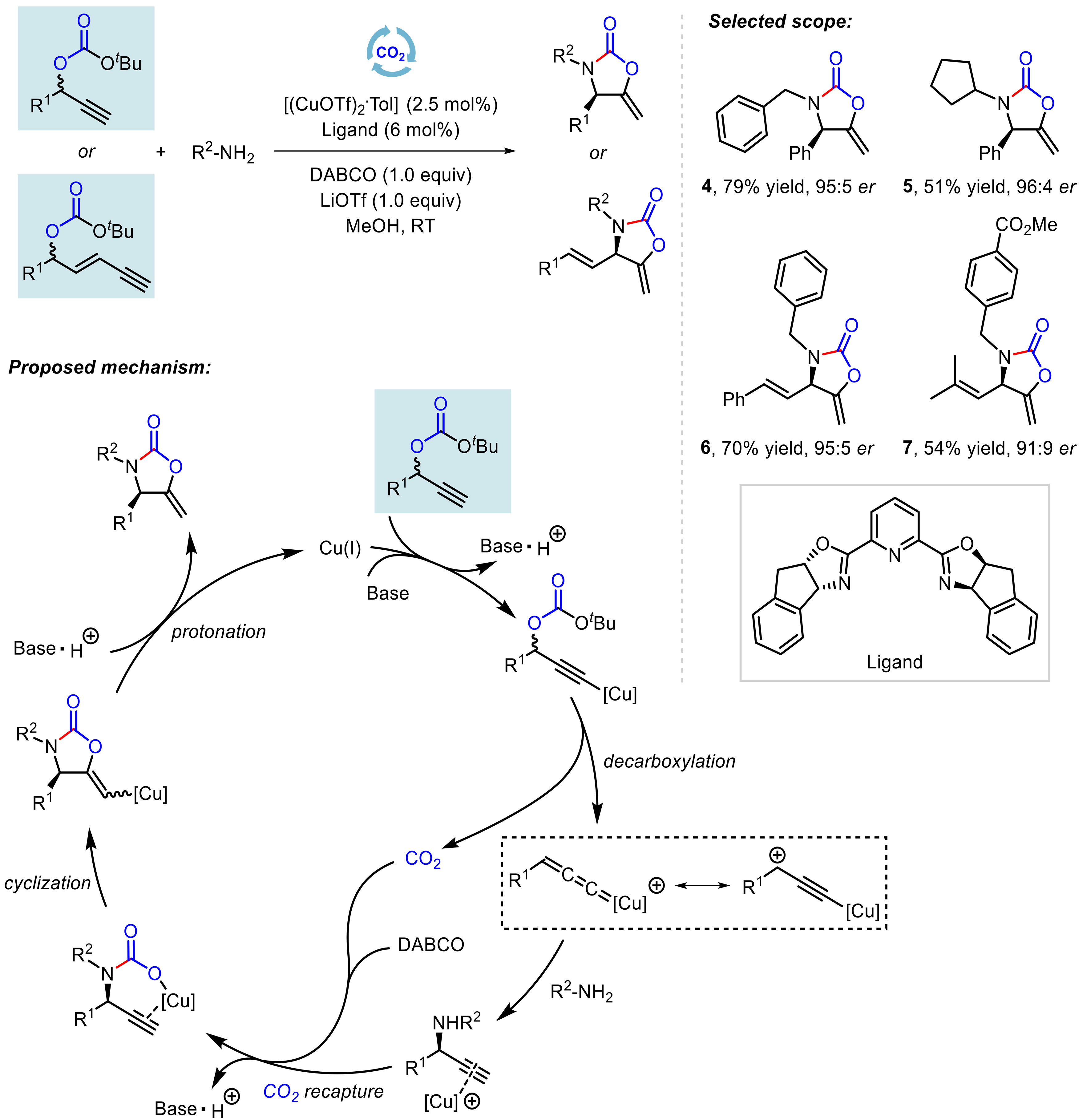
Figure 4. Asymmetric multicomponent propargylations via CO2 shuttling.
AAs, particularly the readily available and inexpensive α-AAs, are essential and widely occurring carboxylic acids that play a crucial role in nature. Recently, Liao et al. reported an elegant approach to alkene carboxylation using α-AAs as CO2 surrogates. The proposed photocatalytic radical mechanism, which incorporated CO2 shuttling, was depicted in Figure 5. Upon irradiation, single-electron transfer (SET) occurred between the photoexcited Ir(III) catalyst and the α-AA salt, which formed in situ upon deprotonation of the α-AA in the presence of a base. Cyclic voltammetry (CV) experiments revealed that the carboxylate form is more readily oxidized than the corresponding carboxylic acid during the SET process, highlighting the critical role of the base. For example, when N-Cbz-Pro-OH was tested in the presence of CsF, a distinct oxidative peak was observed at +1.37 V. In contrast, no oxidative peak appeared in the absence of CsF. This SET process generated the α-amino alkyl radical (Int-5) and CO2. The radical then added to the alkene, forming intermediate Int-6, which underwent another SET with the Ir(II) photocatalyst to yield the key carbanion intermediate (Int-7). In this system, the CO2 produced in situ at low concentration was efficiently recaptured by Int-7, leading to the desired carboxylated product[32]. Luminescence quenching experiments demonstrated that the quenching rate for product is much slower than that of substrate in presence of CsF, which might be the reason for more facile decarboxylation of substrate than product under the reaction conditions[32]. In stark contrast to conventional carboxylation methods that require high pressure and/or excess CO2 gas, this strategy offers an efficient and sustainable alternative by utilizing CO2 shuttling with near-stoichiometric amounts of α-AAs as CO2 donors.
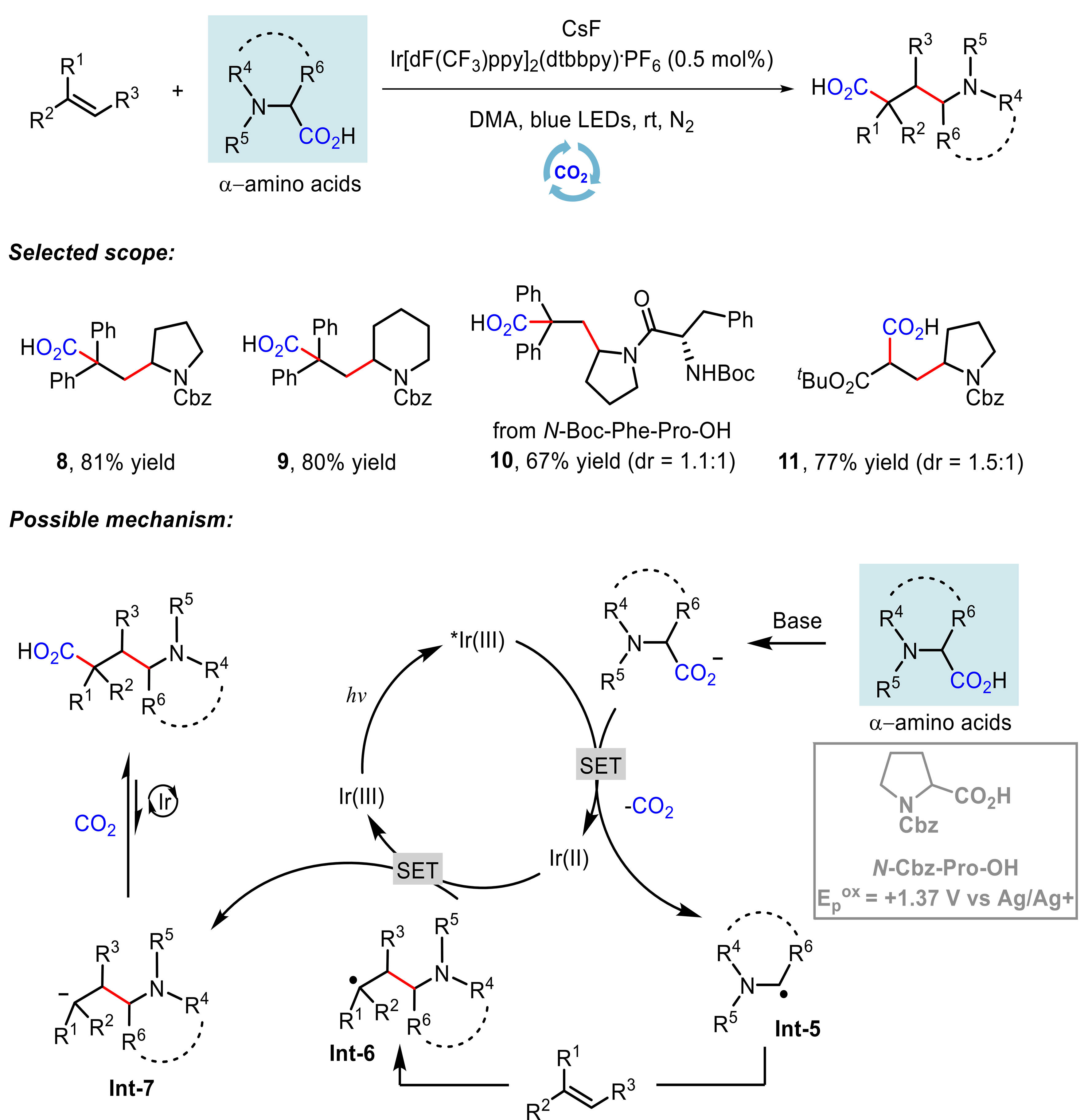
Figure 5. CO2 shuttling between alkenes and α-amino acids.
Wang et al. recently demonstrated the carboxylation of heteroarenes, electron-deficient arenes and terminal alkynes using triphenylacetic acid potassium salt as a bifunctional reagent, acting as both a base and a CO2 donor. The proposed mechanism was outlined in Figure 6. This strategy relied on the decarboxylation of triphenylacetic acid potassium salt to generate CO2 and the trityl anion (Int-8). Due to its high basicity (pKa of Ph3CH = 30.6 in DMSO)[36], the trityl anion could efficiently deprotonate substrates, forming alkyl carbanion (Int-9), which subsequently recaptured the in situ generated CO2 to yield the desired carboxylated product. Notably, this reaction system enables CO2 shuttling carboxylation of certain acidic
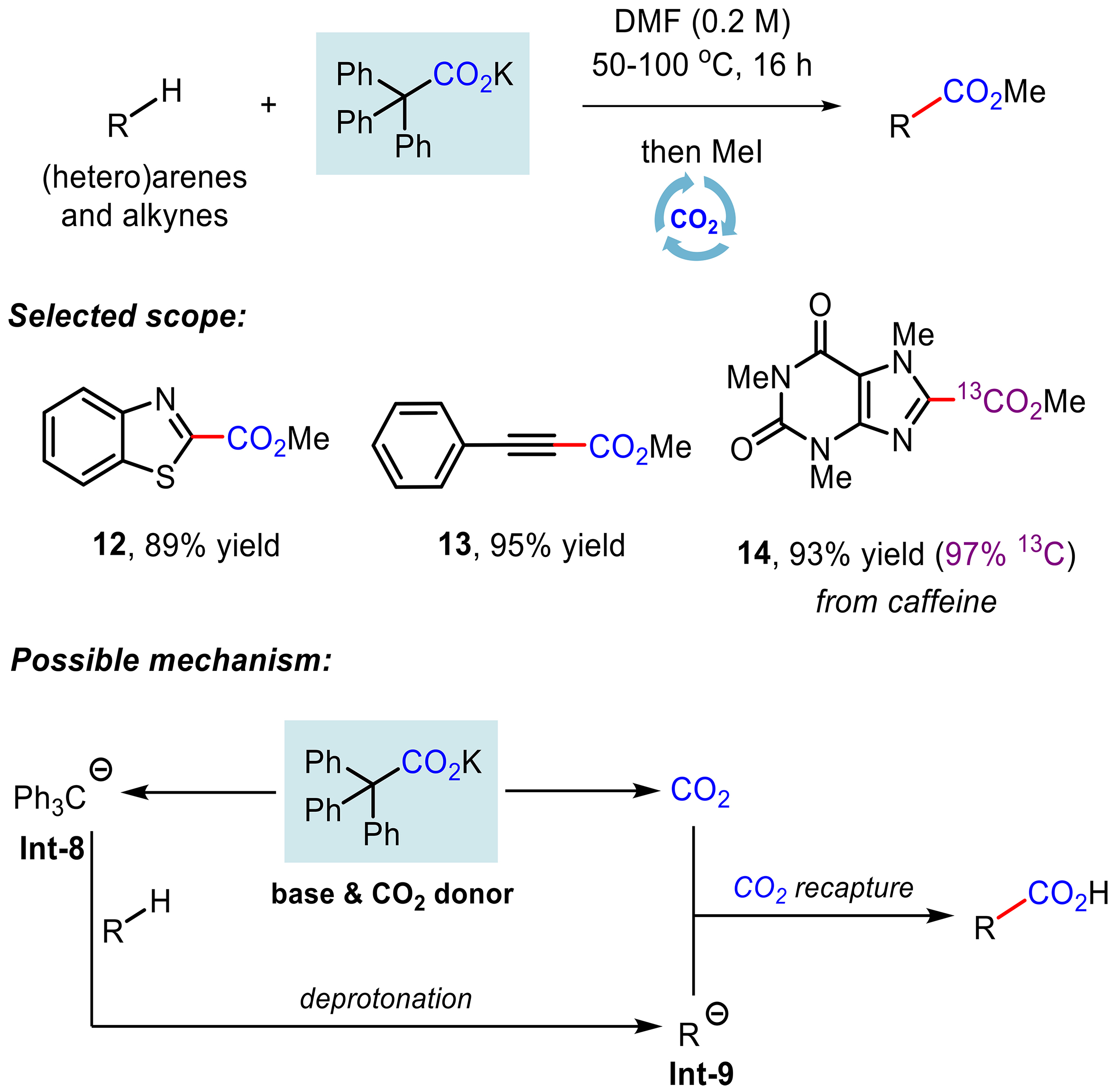
Figure 6. CO2 shuttling between heteroarenes/alkynes and organic carboxylates.
Similarly, in 2024, Liu et al. reported a sequential approach for synthesizing α-keto acids by integrating umpolung reactivity with CO2 shuttling, utilizing triphenylacetic acid potassium salt as a formal CO2 donor. The reaction began with the umpolung activation of carbonyl compounds using thiol, facilitating the carboxylation of aldehydes. The subsequent CO2 shuttling process was key to obtaining α-keto acids. This transition-metal-free shuttle carboxylation method effectively transfers CO2 from triphenylacetic acid potassium salt to dithioacetals, eliminating the need for pressurized CO2 gas or specialized equipment. Moreover, this approach has been extended to achieve complete 13C labeling of α-keto acid derivatives with biological and pharmacological relevance [Figure 7][35].
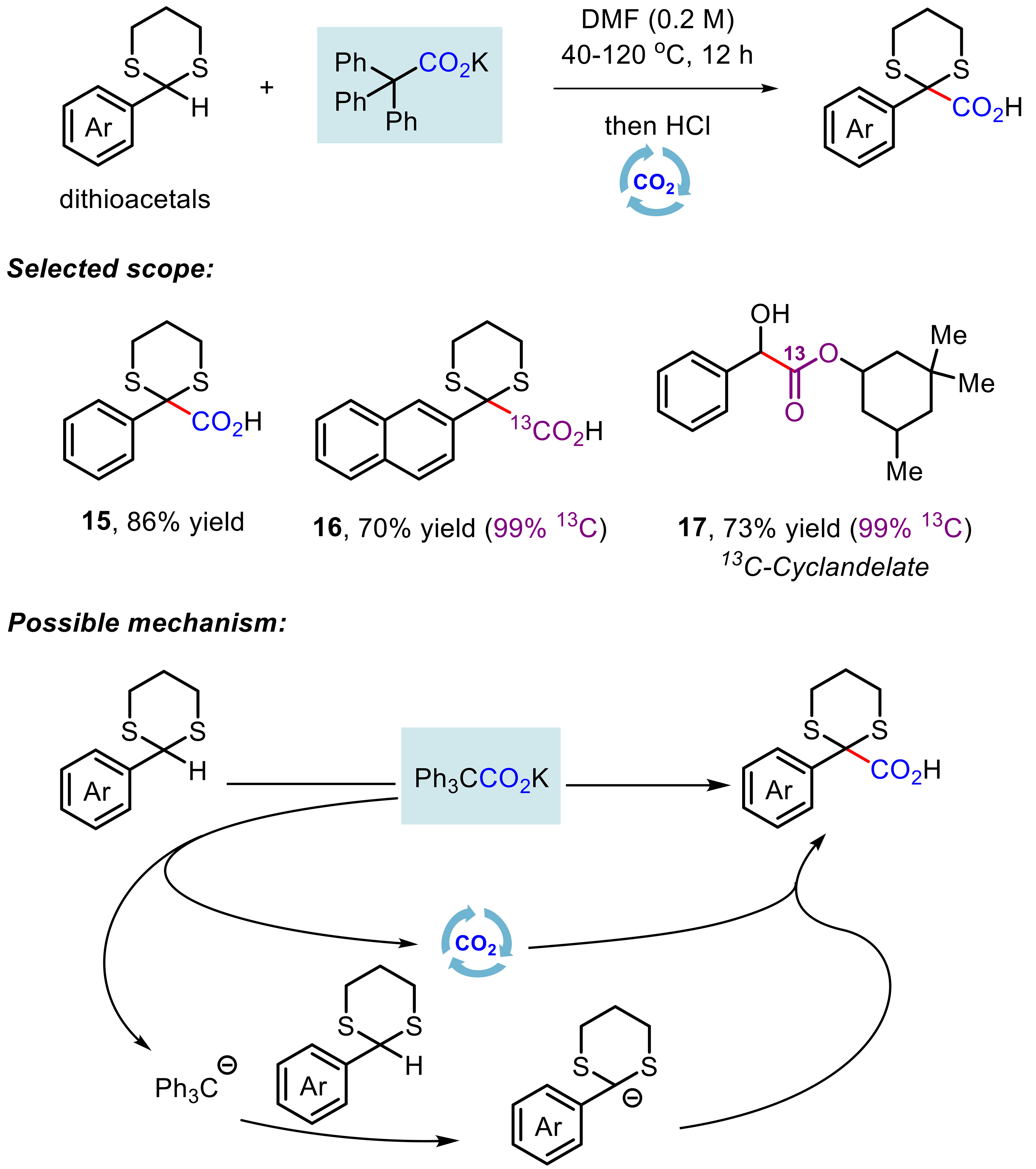
Figure 7. CO2 shuttling between dithioacetals and organic carboxylates.
CONCLUSION AND OUTLOOK
CO2 shuttling has emerged as a promising strategy for sustainable carboxylation reactions, enabling efficient CO2 utilization without requiring excess gaseous CO2 or high-pressure conditions. In recent years, significant progress has been made in this field through the development of diverse carboxylic acid derivatives - such as carbonates, AAs, and triphenylacetic acids - as CO2 donors within various reaction models. These advances underscore the potential of CO2 shuttling as a carbon-economical and sustainable synthetic tool, offering new opportunities for functional group interconversion and isotope labeling in organic chemistry. Despite these achievements, key challenges remain. While CO2 shuttling strategies have enabled the carboxylation of heteroarenes and electron-deficient arenes, the direct carboxylation of electron-rich arenes remains unresolved. Additionally, the selective C(sp3)-H carboxylation of simple linear alkanes via CO2 shuttling remains elusive. Another critical frontier is the design of novel and stereoselective carboxylating agents for constructing chiral carboxylic acid derivatives. Advancing these methodologies could significantly expand the synthetic utility of CO2 shuttling and warrants further intensive research.
Beyond synthetic applications, CO2 shuttling holds particular promise for carbon isotope labeling, which is essential in nuclear medicine and drug discovery. The high cost of carbon isotope-labeled building blocks makes efficient synthetic methods highly valuable. Carbon isotopic CO2 has recently emerged as an attractive primary isotope source; however, the need for large excesses and high-pressure conditions presents economic and safety concerns. An ideal approach would involve stoichiometric isotopic CO2 precursors that release CO2 gradually, enabling more controlled and efficient labeling. This CO2 shuttling paradigm could pave the way for the complete 13C labeling of carboxylic acids, further broadening its applicability in synthetic and pharmaceutical chemistry.
DECLARATIONS
Authors’ contributions
Prepared the manuscript: Liu, X.
Designed and revised the manuscript: Wang, H.; Kong, D.
All authors contributed to the discussion and preparation of the manuscript.
Availability of data and materials
Not applicable.
AI and AI-assisted tools statement
Not applicable.
Financial support and sponsorship
This work is supported by the National Natural Science Foundation of China (22471011), the Beijing Municipal Natural Science Foundation (2232015), and the Beijing Nova Program (20230484447).
Conflicts of interest
All authors declared that there are no conflicts of interest.
Ethical approval and consent to participate
Not applicable.
Consent for publication
Not applicable.
Copyright
© The Author(s) 2026.
REFERENCES
1. Ertl, P.; Altmann, E.; McKenna, J. M. The most common functional groups in bioactive molecules and how their popularity has evolved over time. J. Med. Chem. 2020, 63, 8408-18.
2. Bhutani, P.; Joshi, G.; Raja, N.; et al. U.S. FDA approved drugs from 2015-June 2020: a perspective. J. Med. Chem. 2021, 64, 2339-81.
3. Walker, S. D.; Borths, C. J.; Divirgilio, E.; et al. Development of a scalable synthesis of a GPR40 receptor agonist. Org. Process. Res. Dev. 2011, 15, 570-80.
4. Ji, C. L.; Lu, Y. N.; Xia, S.; et al. Photoinduced late-stage radical decarboxylative and deoxygenative coupling of complex carboxylic acids and their derivatives. Angew. Chem. Int. Ed. Engl. 2025, 64, e202423113.
5. Kraus, G. A.; Roth, B. Synthetic studies toward verrucarol. 2. Synthesis of the AB ring system. J. Org. Chem. 1980, 45, 4825-30.
6. Ma, S.; Liu, J.; Li, S.; et al. Development of a general and practical iron nitrate/TEMPO-catalyzed aerobic oxidation of alcohols to aldehydes/ketones: catalysis with table salt. Adv. Synth. Catal. 2011, 353, 1005-17.
7. Jiang, X.; Liu, J.; Ma, S. Iron-catalyzed aerobic oxidation of alcohols: lower cost and improved selectivity. Org. Process. Res. Dev. 2019, 23, 825-35.
8. Williams, C. M.; Johnson, J. B.; Rovis, T. Nickel-catalyzed reductive carboxylation of styrenes using CO2. J. Am. Chem. Soc. 2008, 130, 14936-7.
9. Huang, K.; Sun, C. L.; Shi, Z. J. Transition-metal-catalyzed C–C bond formation through the fixation of carbon dioxide. Chem. Soc. Rev. 2011, 40, 2435-52.
10. Pimparkar, S.; Dalvi, A. K.; Koodan, A.; et al. Recent advances in the incorporation of CO2 for C–H and C–C bond functionalization. Green. Chem. 2021, 23, 9283-317.
11. Shigeno, M.; Hanasaka, K.; Tohara, I.; et al. Direct C-H carboxylation forming polyfunctionalized aromatic carboxylic acids by combined Brønsted bases. Org. Lett. 2022, 24, 809-14.
12. Chen, Y.; Xu, X.; Zhang, K.; et al. Transition-metal-catalyzed carboxylation of organic halides and their surrogates with carbon dioxide. Synthesis 2018, 50, 35-48.
13. Tortajada, A.; Juliá-Hernández, F.; Börjesson, M.; Moragas, T.; Martin, R. Transition-metal-catalyzed carboxylation reactions with carbon dioxide. Angew. Chem. Int. Ed. Engl. 2018, 57, 15948-82.
14. Zhang, M.; Guo, D.; Zhou, X.; Zhou, D.; Zhu, Y.; Huang, S. Synthesis and application of poly(amidoamine) functional biomedical materials in the field of biomedicine over the past decade. J. Chinese. Chemical. Soc. 2025, 72, 72-82.
15. Sun, S.; Nicholls, B. T.; Bain, D.; et al. Enantioselective decarboxylative alkylation using synergistic photoenzymatic catalysis. Nat. Catal. 2024, 7, 35-42.
16. Schrock, R. R.; Hoveyda, A. H. Molybdenum and tungsten imido alkylidene complexes as efficient olefin-metathesis catalysts. Angew. Chem. Int. Ed. Engl. 2003, 42, 4592-633.
17. Chatterjee, A. K.; Choi, T. L.; Sanders, D. P.; Grubbs, R. H. A general model for selectivity in olefin cross metathesis. J. Am. Chem. Soc. 2003, 125, 11360-70.
18. Bower, J. F.; Kim, I. S.; Patman, R. L.; Krische, M. J. Catalytic carbonyl addition through transfer hydrogenation: a departure from preformed organometallic reagents. Angew. Chem. Int. Ed. Engl. 2009, 48, 34-46.
19. Corma, A.; Navas, J.; Sabater, M. J. Advances in one-pot synthesis through borrowing hydrogen catalysis. Chem. Rev. 2018, 118, 1410-59.
20. Bhawal, B. N.; Morandi, B. Shuttle catalysis-new strategies in organic synthesis. Chem. Eur. J. 2017, 23, 12004-13.
21. Hendy, C. M.; Smith, G. C.; Xu, Z.; Lian, T.; Jui, N. T. Radical chain reduction via carbon dioxide radical anion (CO2•-). J. Am. Chem. Soc. 2021, 143, 8987-92.
22. Alektiar, S. N.; Wickens, Z. K. Photoinduced hydrocarboxylation via thiol-catalyzed delivery of formate across activated alkenes. J. Am. Chem. Soc. 2021, 143, 13022-8.
23. Xiao, W.; Zhang, J.; Wu, J. Recent advances in reactions involving carbon dioxide radical anion. ACS. Catal. 2023, 13, 15991-6011.
24. Yoshida, M.; Ihara, M. Palladium-catalyzed domino reaction of 4-methoxycarbonyloxy-2-butyn-1-ols with phenols: a novel synthetic method for cyclic carbonates with recycling of CO2. Angew. Chem. Int. Ed. 2001, 40, 616-9.
25. Yoshida, M.; Fujita, M.; Ishii, T.; Ihara, M. A novel methodology for the synthesis of cyclic carbonates based on the palladium-catalyzed cascade reaction of 4-methoxycarbonyloxy-2-butyn-1-ols with phenols, involving a novel carbon dioxide elimination-fixation process. J. Am. Chem. Soc. 2003, 125, 4874-81.
26. Yoshida, M.; Ohsawa, Y.; Ihara, M. Palladium-catalyzed carbon dioxide elimination-fixation reaction of 4-methoxycarbonyloxy-2-buten-1-ols. J. Org. Chem. 2004, 69, 1590-7.
27. Yoshida, M.; Ohsawa, Y.; Ihara, M. Palladium-catalyzed carbon dioxide elimination-fixation reaction of 6-methoxycarbonyloxy-2,4-hexadien-1-ols. Tetrahedron 2006, 62, 11218-26.
28. Yoshida, M.; Ohsawa, Y.; Sugimoto, K.; Tokuyama, H.; Ihara, M. Synthesis of vinyloxazolidinones by palladium-catalyzed CO2-recycling reaction of 4-(benzylamino)-2-butenyl carbonates. Tetrahedron. Letters. 2007, 48, 8678-82.
29. Ye, J.; Li, S.; Ma, S. Palladium-catalyzed cyclization reactions of 2,3-allenyl amines with propargylic carbonates. Org. Lett. 2012, 14, 2312-5.
30. Zheng, S. C.; Zhang, M.; Zhao, X. M. Enantioselective transformation of allyl carbonates into branched allyl carbamates by using amines and recycling CO2 under iridium catalysis. Chem. Eur. J. 2014, 20, 7216-21.
31. Li, Z.; Ma, J.; Lu, H.; Lin, G.; He, Z. Asymmetric multicomponent propargylations via carbon dioxide shuttling and fixation. ACS. Catal. 2024, 14, 11646-56.
32. Liao, L. L.; Cao, G. M.; Jiang, Y. X.; et al. α-amino acids and peptides as bifunctional reagents: carbocarboxylation of activated alkenes via recycling CO2. J. Am. Chem. Soc. 2021, 143, 2812-21.
33. Zhou, C.; Li, M.; Sun, J.; Cheng, J.; Sun, S. Photoredox-catalyzed α-aminomethyl carboxylation of styrenes with sodium glycinates: synthesis of γ-amino acids and γ-lactams. Org. Lett. 2021, 23, 2895-9.
34. Wang, S.; Larrosa, I.; Yorimitsu, H.; Perry, G. J. P. Carboxylic acid salts as dual-function reagents for carboxylation and carbon isotope labeling. Angew. Chem. Int. Ed. Engl. 2023, 62, e202218371.
35. Liu, X.; Cao, S.; Zhang, C.; Jiang, Y.; Kong, D. Integrating umpolung and CO2 shuttling strategies for the synthesis of 12C- and 13C-α-ketoacids from aldehydes. Org. Lett. 2024, 26, 8967-72.
Cite This Article
 Open Access
How to Cite
Download Citation
Export Citation File:
Type of Import
Tips on Downloading Citation
Citation Manager File Format
Type of Import
Direct Import: When the Direct Import option is selected (the default state), a dialogue box will give you the option to Save or Open the downloaded citation data. Choosing Open will either launch your citation manager or give you a choice of applications with which to use the metadata. The Save option saves the file locally for later use.
Indirect Import: When the Indirect Import option is selected, the metadata is displayed and may be copied and pasted as needed.
About This Article
Copyright

Data & Comments
Data
0










Comments
Comments must be written in English. Spam, offensive content, impersonation, and private information will not be permitted. If any comment is reported and identified as inappropriate content by OAE staff, the comment will be removed without notice. If you have any queries or need any help, please contact us at [email protected].